



/03-cosi/_dsc0996_pr.jpg?format=auto&fit=crop&w=345&h=200&auto=format)




Blog
April 7, 2026
The Centrality of Music in Opera: Its Life-Affirming Force
A note from Music Director James Conlon
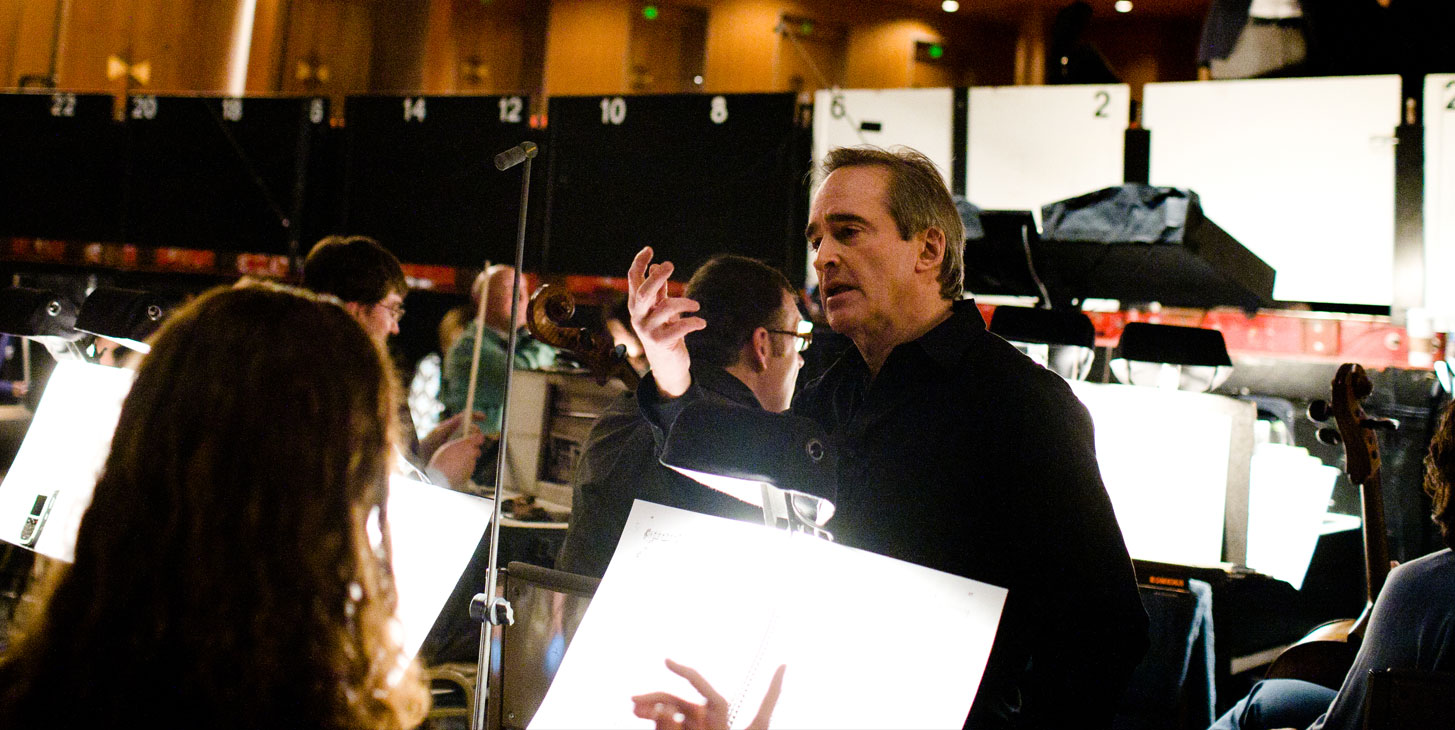
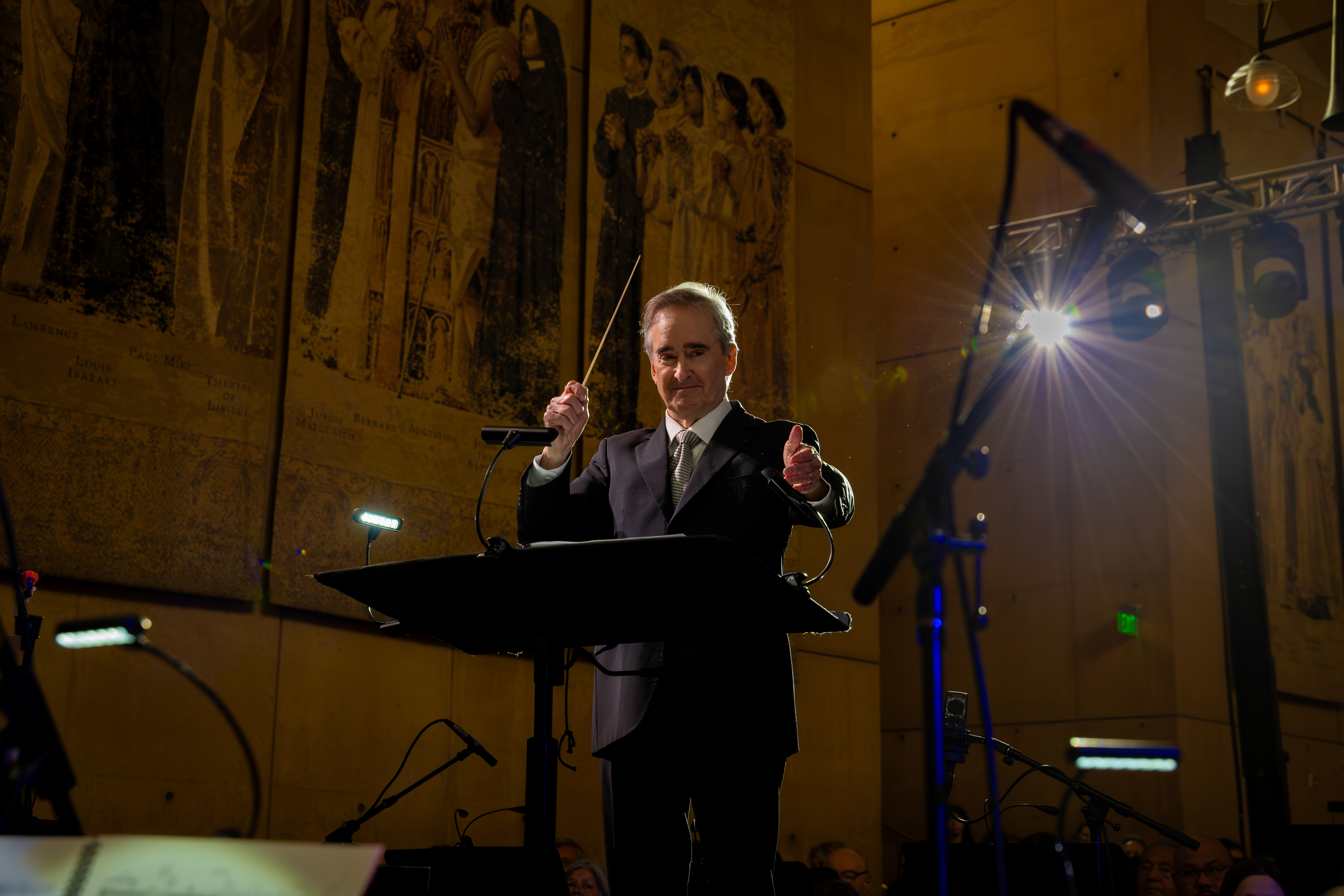
I reflect on this moment as we celebrate LA Opera’s 40th anniversary season—and my 20th and final as Music Director. I do so with the colleagues and artistic forces that have defined these years: the LA Opera Orchestra and Chorus, joined by an array of soloists, many of whom have played a significant role in this journey.
Mozart, Verdi, and Wagner seem to me to be the three fundamental pillars of an ideal opera company. This is not to suggest that other composers should be neglected or ignored. Rather, without these three transcendent geniuses—each with their unique and inimitable works—can an opera company truly consider its mission complete?
I chose the format of “concert opera” quite deliberately. In such a setting, the centrality of music can shine—perhaps even more brightly—in the absence of a fully staged production. With renewal and life affirmation on my mind, in this fractured and troubled world, I asked myself which operatic works most embody those qualities. The answer came easily: three works immediately presented themselves. Not surprisingly, all are comedies.
While one may leave a tragic or melodramatic work with a sense of catharsis—or even renewal—it is not quite the same as the life-affirming spirit of comedy. This concert seeks, in part, to bring those two impulses into dialogue. For me, Mozart’s The Marriage of Figaro, Wagner’s Die Meistersinger von Nürnberg, and Verdi’s Falstaff form a kind of trinity that never fails to inspire in this way. Two of these are represented on the program. As LA Opera is simultaneously presenting Falstaff in a fully staged production, I turned to another Verdi work in its place.
Another goal was to present works not previously staged in LA Opera’s 40-year history. Neither Die Meistersinger nor La Forza del Destino has ever received a fully staged production here. The Marriage of Figaro, by contrast, is a perennial favorite—certainly for me—and happily, LA Opera has produced six Mozart operas during my tenure, many of them repeatedly.
Forza contains some of Verdi’s greatest music—a bold claim, perhaps, but one I stand by. It is often criticized for its implausible plot, its extreme dramatic situations, and its length. While I understand these concerns, I strongly reject the conclusion that it is not a great opera. It is. It possesses distinctive qualities that set it apart within Verdi’s output. It is the only one of his operas that can be meaningfully compared to epic literature or drama. Verdi conceived a drama centered on an intimate, personal conflict among three principal characters, unfolding across a wide geographical and temporal canvas. To some, this breadth strains credibility. But that very expansiveness reflects the opera’s central idea: its characters are, in effect, marionettes guided by an unseen force—Destiny.
Beyond its central love story, the opera explores themes of honor and revenge, faith, war, and racism. Verdi, no optimist, ultimately suggests that our highest calling lies in confronting life’s unavoidable tragedies with courage—not in surrender, but in clear-eyed acceptance. His moral voice is present, but never heavy-handed.
Mozart’s moral vision is gentler, more forgiving of human frailty. He brought comic opera to an unprecedented level of emotional depth and psychological insight, elevating it beyond farce into a new realm of complexity and sophistication. In Mozart’s world, human beings err, but are ultimately forgiven—welcomed back into a harmonious moral universe.
Wagner and Verdi, by contrast, devoted most of their careers to serious drama. Yet the parallels between Die Meistersinger and Falstaff are striking, both musically and dramatically. Each represents its composer’s sole mature comedy. Die Meistersinger is, above all, a work about art itself. Should art seek to overturn tradition, or to honor it? This question resonates far beyond the opera house, touching on society, politics, and the evolution of culture. Wagner’s answer seems to be: both.
At its heart, like most operas, Die Meistersinger is about love. Three men vie for one woman. Wagner’s male characters embody contrasting ideals: Walther von Stolzing, the youthful innovator; Hans Sachs, the wise guardian of tradition; and Sixtus Beckmesser, the rigid pedant resistant to change.
Eva’s hand in marriage is awarded to the winner of a festive singing contest. Young love prevails. At the same time, the tender, unfulfilled affection between Eva and Sachs expresses a profound form of surrogate parental love, rendered with extraordinary poignancy. Beckmesser, often interpreted as a caricature of one of Wagner’s critics, provides comic contrast.
Despite its later appropriation by Adolf Hitler and the Nazi regime, Die Meistersinger remains, at its core, a joyful affirmation of love, art, and community. Completed decades before the rise of the Third Reich, its misuse for ideological purposes stands among the many cultural distortions of that era.
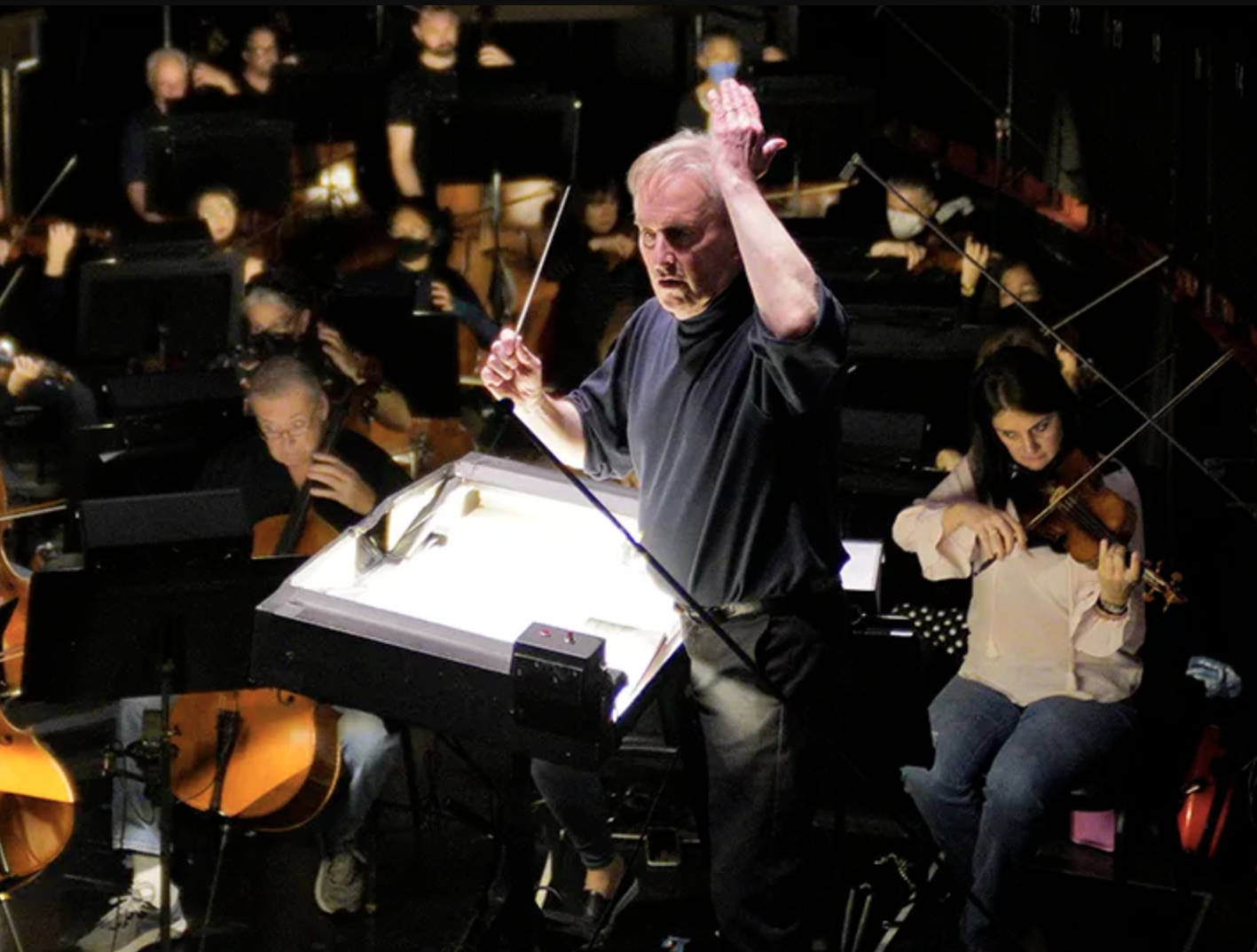
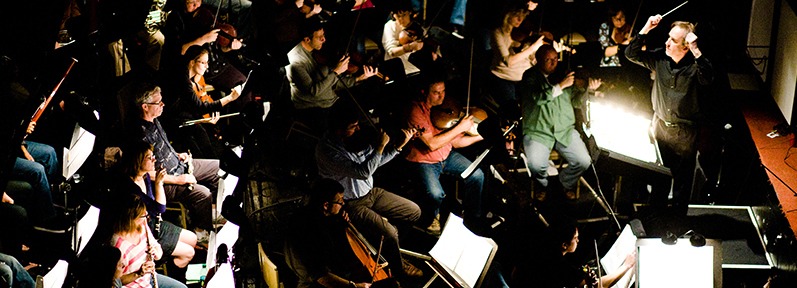
Returning to the central theme of music’s primacy in opera, I would leave our audience with a reflection on the value of concert performances. Such performances have a long and distinguished history, offering audiences a different way of hearing opera—one that highlights the expressive “voice” of the orchestra and underscores the degree to which both music and drama originate with the composer.
Indeed, operas endure—or fade—largely on the strength of their music. The composer shapes the drama at its most fundamental level. Where spoken theater leaves countless interpretive decisions to performers, music determines pacing, emphasis, emotional tone, and psychological depth with extraordinary precision. In this sense, music can accomplish in seconds what might take pages of text. Sublime music can redeem even a banal subject.
Richard Strauss’s final opera, Capriccio, poses the enduring question: which comes first, music or words? My answer is clear. Any interpretation of opera derived primarily from the text, independent of the music, is fundamentally flawed.
Can opera exist without scenery, costumes, or staging—reduced to “musica e parole”? If one rejects that notion, one might as well abandon recordings altogether and wait only for fully staged productions.
But if, like me, you believe that opera is born from—and remains inseparable from—the broader tradition of classical music, then concert opera becomes not a compromise, but a revelation. Opera and classical music share a common DNA, a shared artistic lineage.
And if you are inspired by that tradition, as I am, you will recognize the centrality of music in opera—and follow it daily as it renews itself as a life-affirming force.
Get tickets for Conlon's farewell concert by clicking here.