


/03-cosi/_dsc0996_pr.jpg?format=auto&fit=crop&w=345&h=200&auto=format)




Blog
February 19, 2026
Black Voices in Classical Music: Stories That Shaped the Stage
Classical music history is often framed as a single, unbroken tradition. But look closer, and you’ll see something more complicated and far richer. Black musicians have always been part of this story. They composed, performed, toured, published, and persevered, even when the institutions around them tried to silence or exclude them.
Their names weren’t always printed in large type. Their triumphs weren’t always celebrated. But they were there—reshaping the art form in ways that still resonate today.
This Black History Month, we turn to the musicians who pushed open the doors of classical music for Black artists.
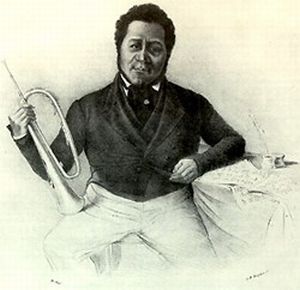
Francis Johnson
In 1812, as the young United States found its footing, Francis Johnson was already earning his living as a professional musician. Born in 1792 and raised in the North as a free Black man, Johnson built a career at a time when opportunity for Black artists was scarce and fragile.
He mastered the violin and piano, but it was the keyed bugle—a now-rare brass instrument that used keys instead of valves—that helped define his sound. He wasn’t just performing; he was breaking ground. Johnson became the first African American to give public concerts, to perform in racially integrated ensembles, and to tour internationally with an American group.
While abroad, he encountered promenade concerts—lively public performances designed for wide audiences. He brought the concept home, expanding access to music in the United States.
And he did something else just as radical: he published. Johnson became the first Black composer in the U.S. to have his music printed and sold as sheet music. Though much of his output has been lost, historians estimate he wrote more than 200 works ranging from minstrel songs to operatic arias. His most famous composition, The Grave of the Slave, set to a poem by Sarah L. Forten, became an anthem for the abolitionist movement.
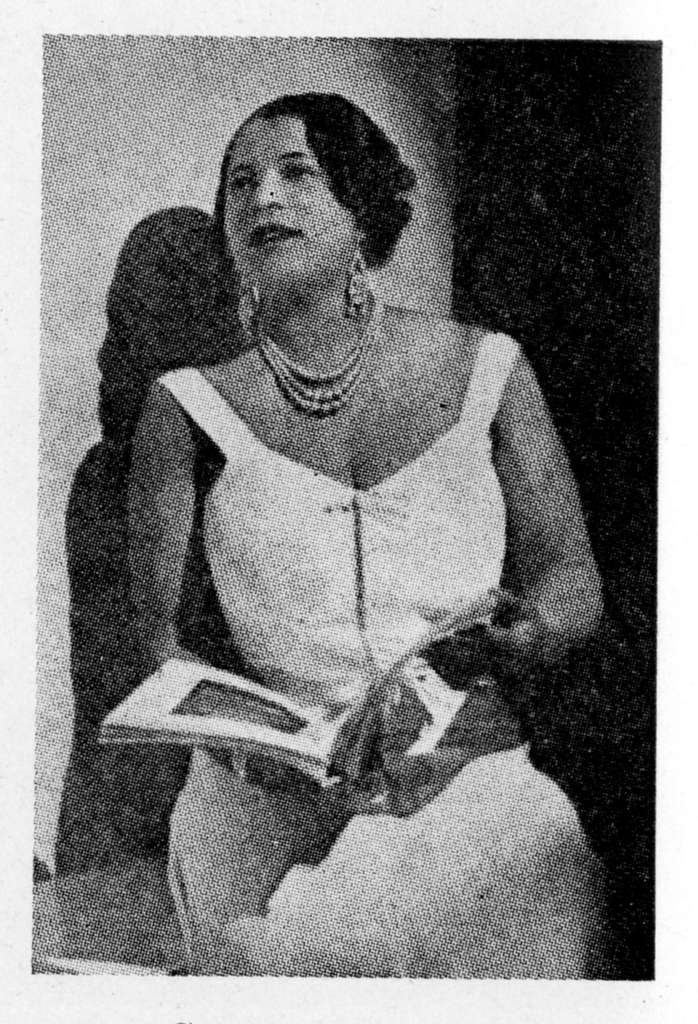
Caterina Jarboro
In 1933, audiences at the New York Hippodrome witnessed something unprecedented: soprano Caterina Jarboro stepping into the title role of Aida. With that performance, she became the first African American to sing on an opera stage with an otherwise all-white company in the United States.
It should have been the beginning of a celebrated domestic career. Instead, Jarboro encountered barriers at nearly every turn. The Metropolitan Opera once extended her membership, believing she was Italian. When they discovered she was Black, the invitation disappeared. Europe, however, proved more receptive, and her career flourished.
Years later, the Met extended another invitation. This time, Jarboro declined. Her choice carried its own quiet power.
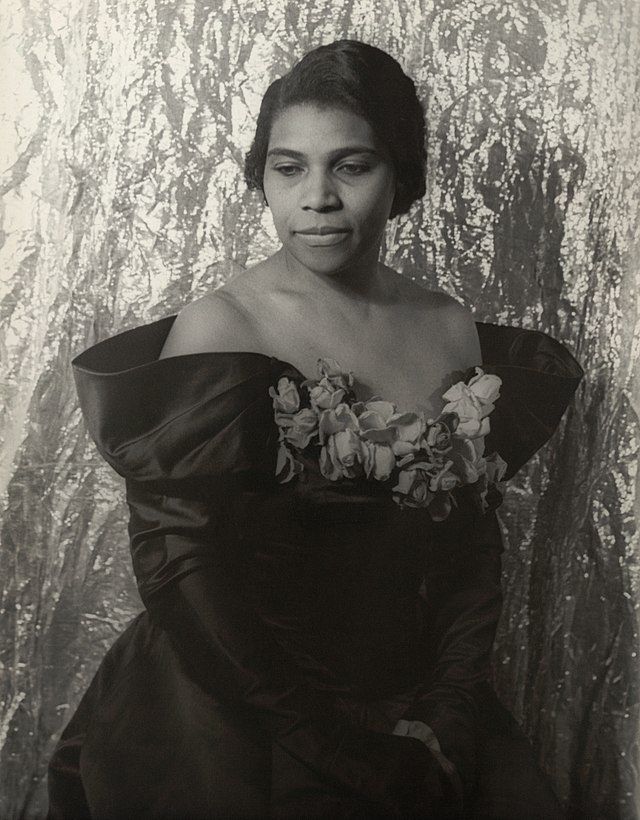
Marian Anderson
Contralto Marian Anderson is widely remembered as the first African American soloist engaged by the Metropolitan Opera, making her debut there as Ulrica in Verdi’s Un ballo in maschera on January 7, 1955. That milestone was the culmination of an already remarkable career, which included performing for troops during World War II and the Korean War.
Her national profile grew even larger when she headlined The Ford 50th Anniversary Show, which drew an estimated 60 million viewers, making her one of the most widely seen classical singers of her time. In 1956, Anderson published her autobiography, My Lord, What a Morning, reflecting on the journey it took to get to the Met. Though she never returned to the Met stage after that performance, she was named a permanent member of the company in acknowledgement of her place in opera history.
Anderson continued to receive recognition throughout her life. She was elected a Fellow of the American Academy of Arts and Sciences in 1957, appointed a delegate to the United Nations the following year, and gave her final concert at Carnegie Hall in 1965. Among her many honors was the Eleanor Roosevelt Human Rights Award of the City of New York, which she received as its first recipient. Anderson’s legacy stands as a testament to perseverance, artistry, and the long fight for equality in classical music.
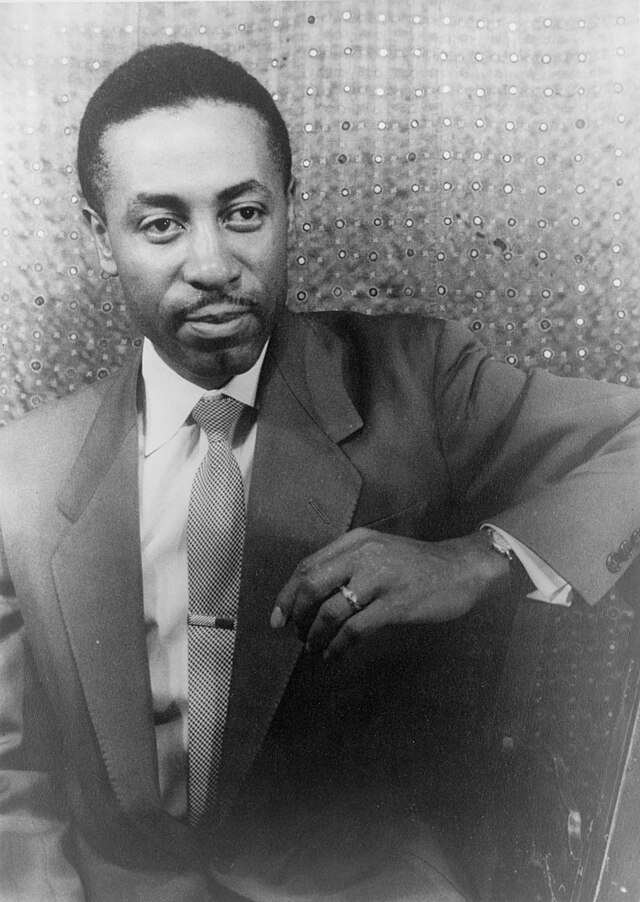
Robert McFerrin Sr.
Just 20 days after Marian Anderson’s Metropolitan Opera debut, baritone Robert McFerrin Sr. became the first African American singer to appear on the Met stage, appearing as Amonasro in Aida. His achievement, however, received far less attention as he was overshadowed by Anderson and shaped by years of exclusion.
McFerrin had previously won the Met’s Auditions of the Air competition in 1953, earning a cash prize and professional training. Unlike previous winners, however, he was not offered a contract with the company. Despite this setback, McFerrin eventually made his Met debut and returned in a major way. In 1956, he became the first African American to sing a title role at the Met when he sang the role of Rigoletto. That same year, he achieved the same distinction at the Teatro di San Carlo in Naples.
Much like Jarboro, McFerrin struggled to find consistent work in opera and decided to try his hand in Hollywood. His only film contribution was providing the singing voice for Sidney Poitier’s portrayal of Porgy in Otto Preminger’s 1959 film adaptation of Porgy and Bess. While his performance was praised, the film’s commercial failure curtailed further Hollywood opportunities.
McFerrin spent the remainder of his career performing and teaching, most notably mentoring his son, Grammy-winning artist Bobby McFerrin. His path was not an easy one, but his dedication to music and education left a lasting impact. His story, like Anderson’s, reflects both the barriers Black artists faced and the resilience required to overcome them.