


/03-cosi/_dsc0996_pr.jpg?format=auto&fit=crop&w=345&h=200&auto=format)




Blog
February 6, 2026
An Operatic Valentine's
Valentine’s Day is just around the corner, and with it comes grand gestures of love—and few art forms do grandeur better than opera. To mark the occasion, we’ve curated a selection of arias to match every relationship status. Whether you’re head over heels, heartbroken, or happily single, there’s an operatic moment for you.
If you’re in love
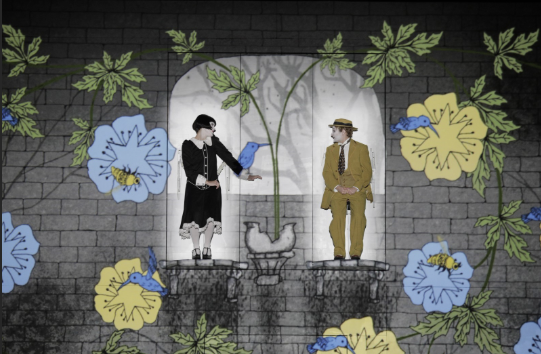
Romantic arias are abundant in opera, but happy endings are far rarer. When in doubt, comedy is your best bet. Mozart’s The Magic Flute delivers one of opera’s most beloved couples in Prince Tamino and Pamina, whose love unfolds in a fantastical world filled with trials, magic, and hope.
Tamino’s aria “Dies Bildnis ist bezaubernd schön”(This image is enchantingly lovely) occurs the moment he first sees Pamina’s portrait and falls instantly in love. That love becomes his motivation to face every challenge that follows, ultimately leading to a joyful ending with his beloved. If you have a Prince Tamino or a Pamina in your life, this aria is a perfect companion for celebrating your love this Valentine’s Day.
You can see this on our stage starting in May, but in the meantime, listen here.
If you’re experiencing unrequited love
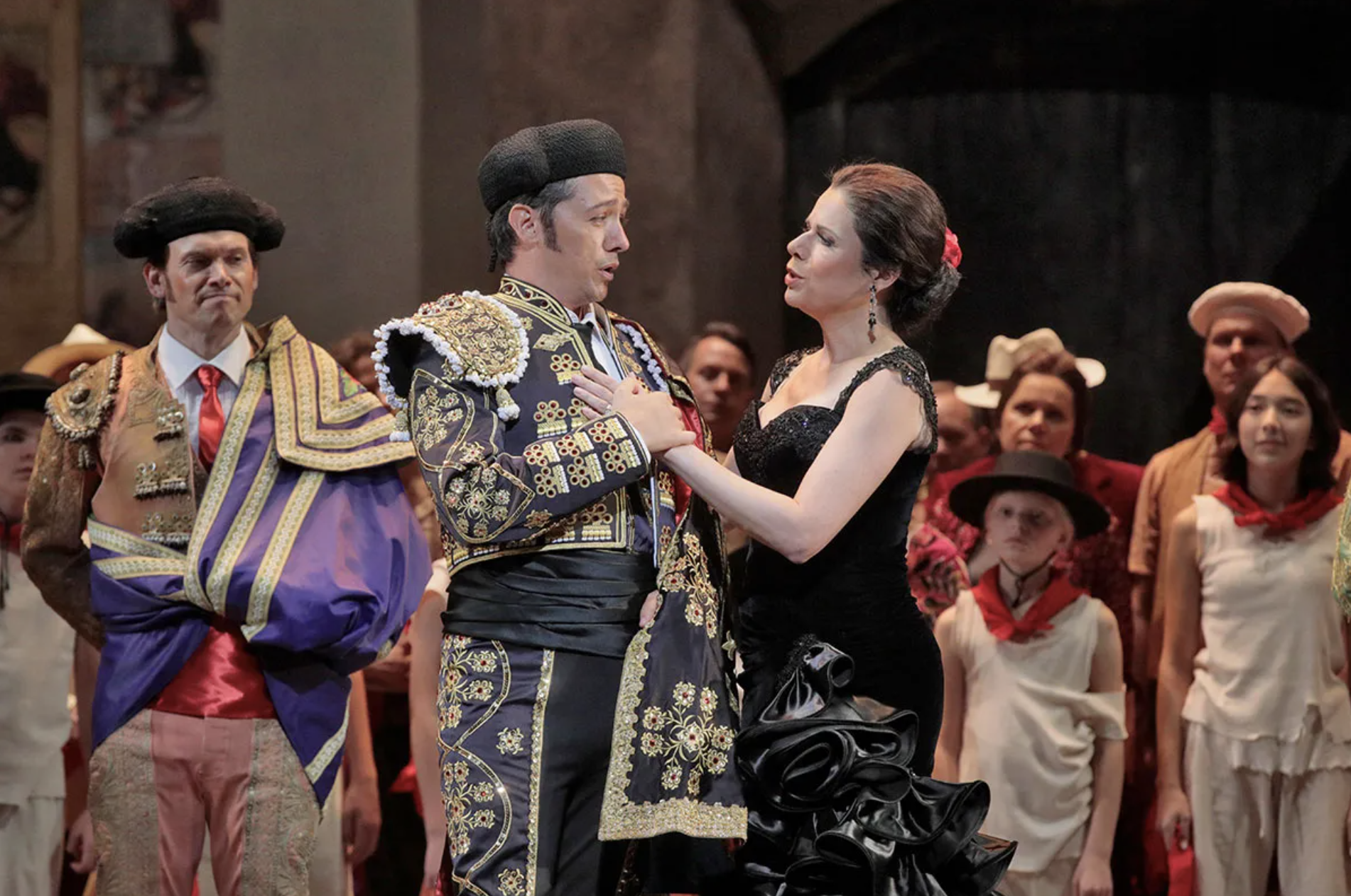
Unrequited love can be as intoxicating as it is painful. Opera knows this well, and few examples are more famous than Don José’s obsession with Carmen. After falling for her, his orderly life quickly unravels.
“La fleur que tu m’avais jetée” (The flower you had thrown at me) captures Don José before everything falls apart, as he reflects on the suffering his love has already caused him. If you’re nursing feelings that aren’t returned, this aria offers solace. The opera itself reminds us that moving on is the often best choice—especially if you know how Carmen ends.
If you’re going through a breakup
Heartbreak can feel especially isolating when love is everywhere you look. Music has long been a companion in grief, and Violetta from Verdi’s La Traviata understands that pain deeply. Forced to part from Alfredo, she spends the rest of her life marked by loss.
In “Addio, del passato” (Farewell, happy dreams), Violetta reflects on her past love as she faces the end of her life. The aria’s restraint and sorrow make it deeply cathartic, offering comfort even to those whose heartbreak is far less dramatic.
If you’re in a situationship
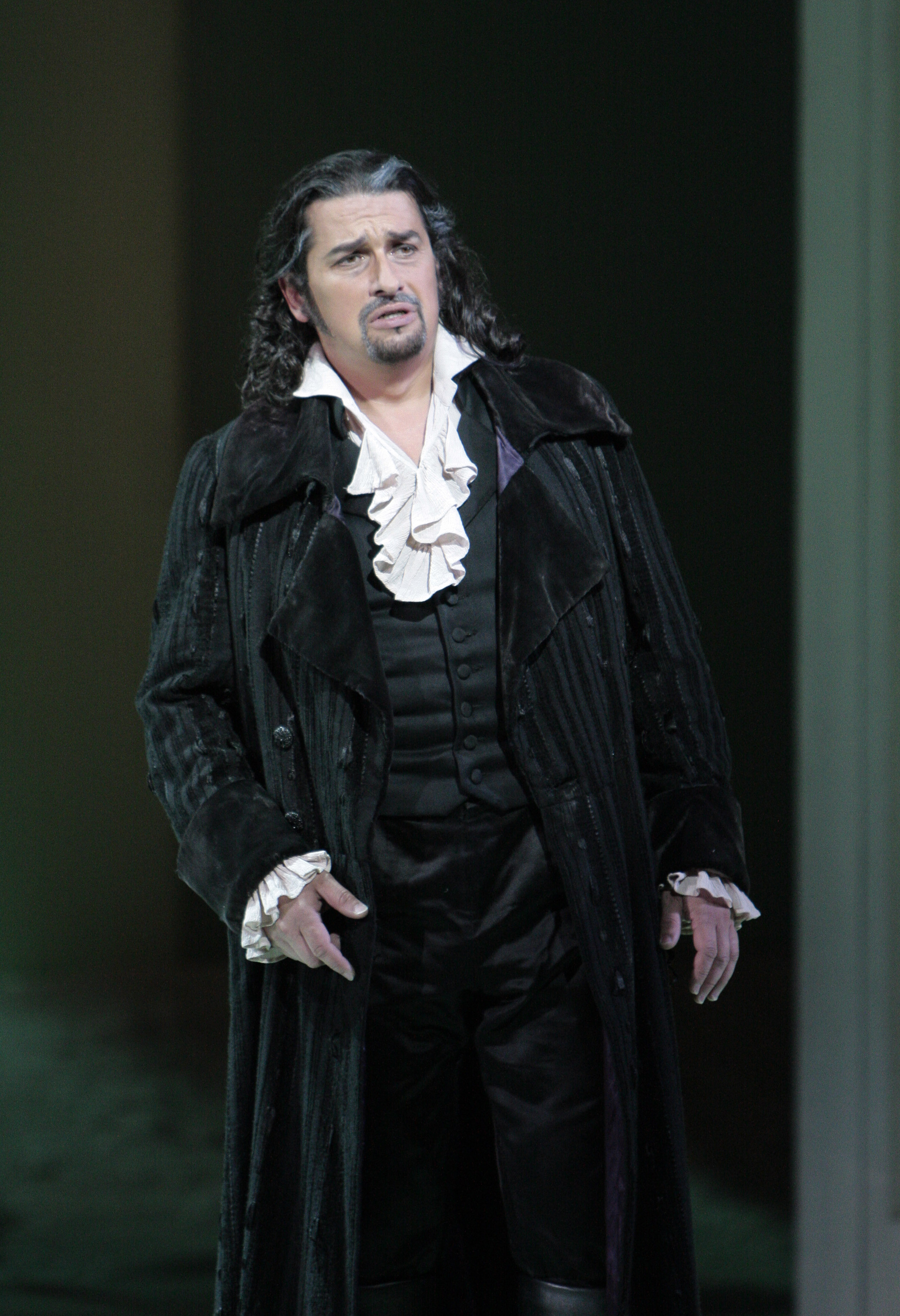
The term situationship may be modern, but emotional uncertainty is timeless. Opera is full of characters reluctant to commit, and few embody this better than Eugene Onegin.
In his Act I aria, Onegin explains—at length—why love and commitment simply aren’t for him. If you’re caught in romantic limbo, this aria may offer some much-needed clarity.
If you just began dating
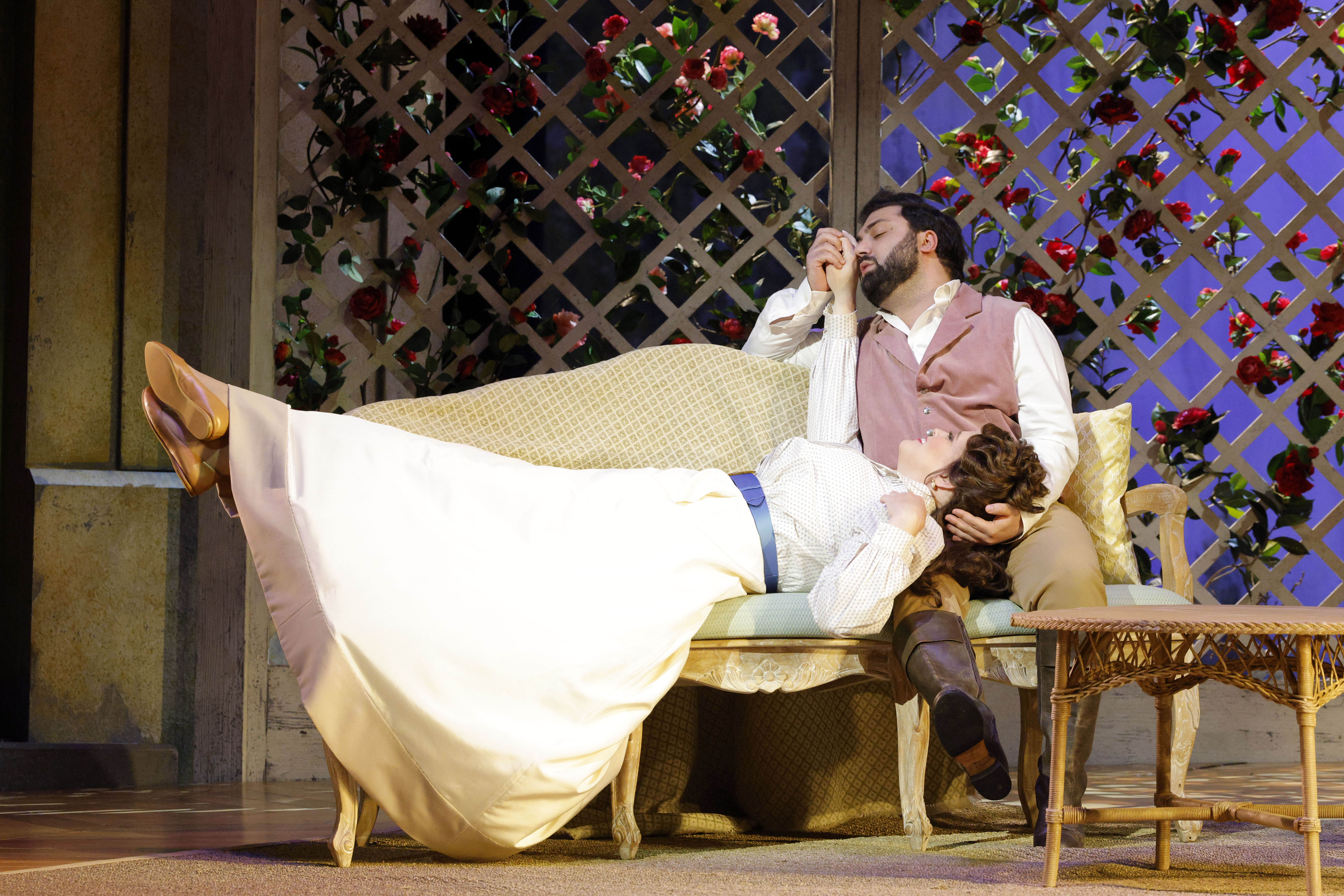
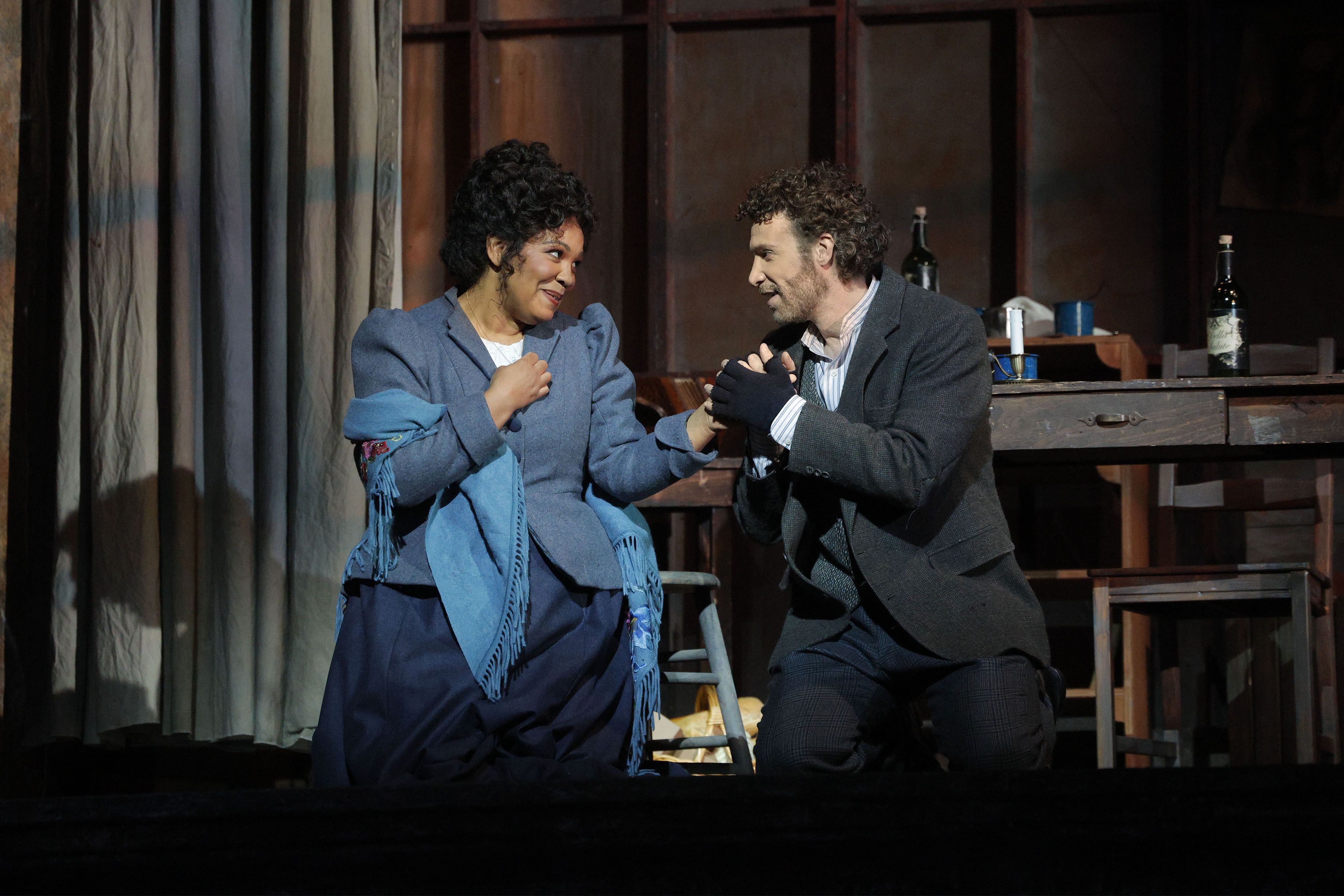
Not all love stories are tragic. The early days of romance—full of excitement and possibility—have their own magic. For that feeling, we turn to Mimì and Rodolfo from Puccini’s La Bohème.
Their first meeting is one of opera’s most beloved scenes. In “Che gelida manina” (What a frozen little hand), Rodolfo gently warms Mimì’s cold hands, leading to an instant and unmistakable connection. Pairing this aria with “Mi chiamano Mimì,” (They call me Mimì) you’ll be in for a night filled with the joy of love just beginning to bloom.
If you’re celebrating platonic or familial love
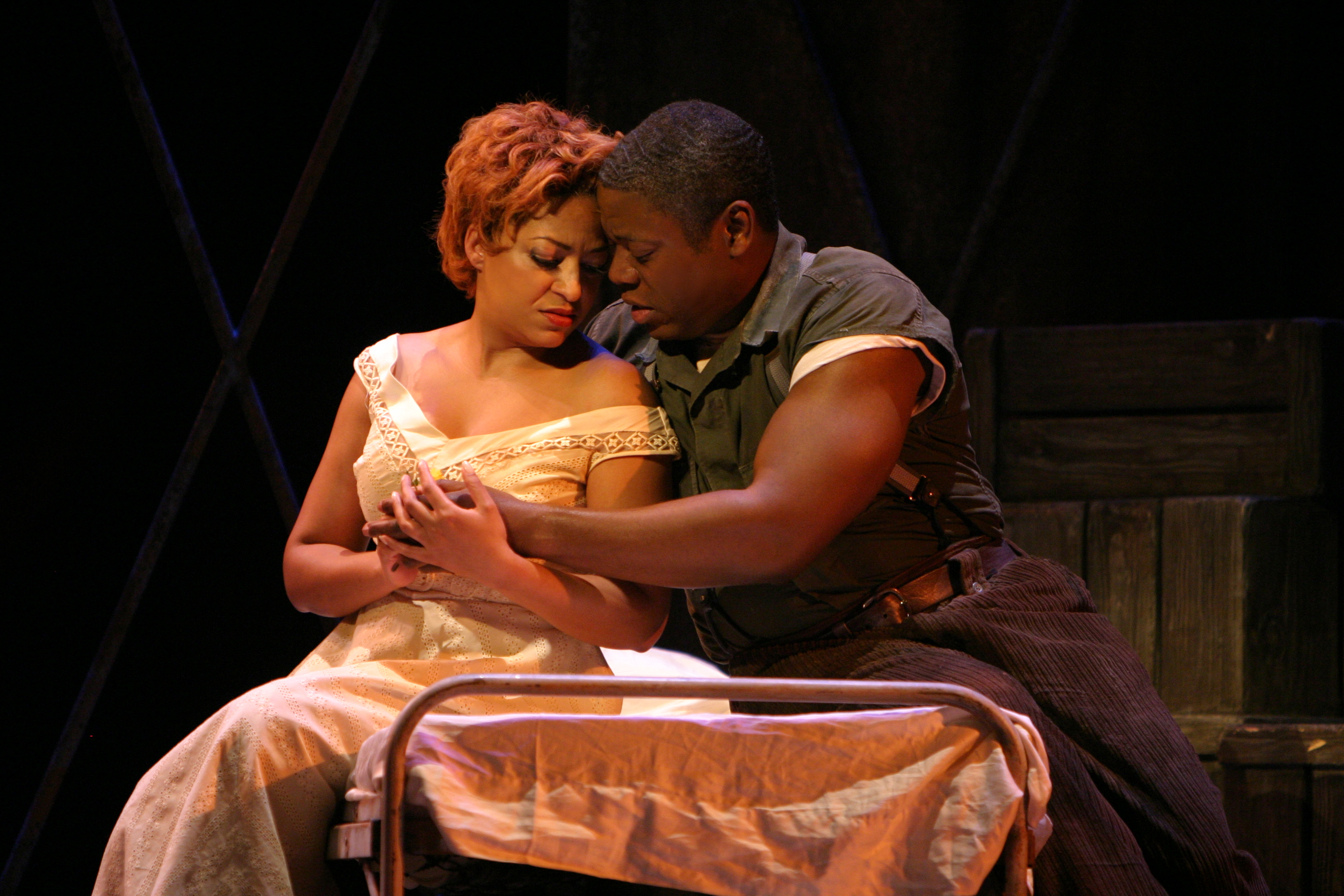
Valentine’s Day isn’t only for romance—it’s also a chance to appreciate family and friends. Gershwin’s “Summertime” from Porgy and Bess is a fitting tribute. Introduced as a lullaby, the aria reappears as a source of comfort throughout the opera.
Its gentle warmth has made it a favorite far beyond the opera house, covered by artists like Ella Fitzgerald, Louis Armstrong, and Billie Holiday. Even in winter, it evokes the simple joy of being surrounded by loved ones.
If you’re single
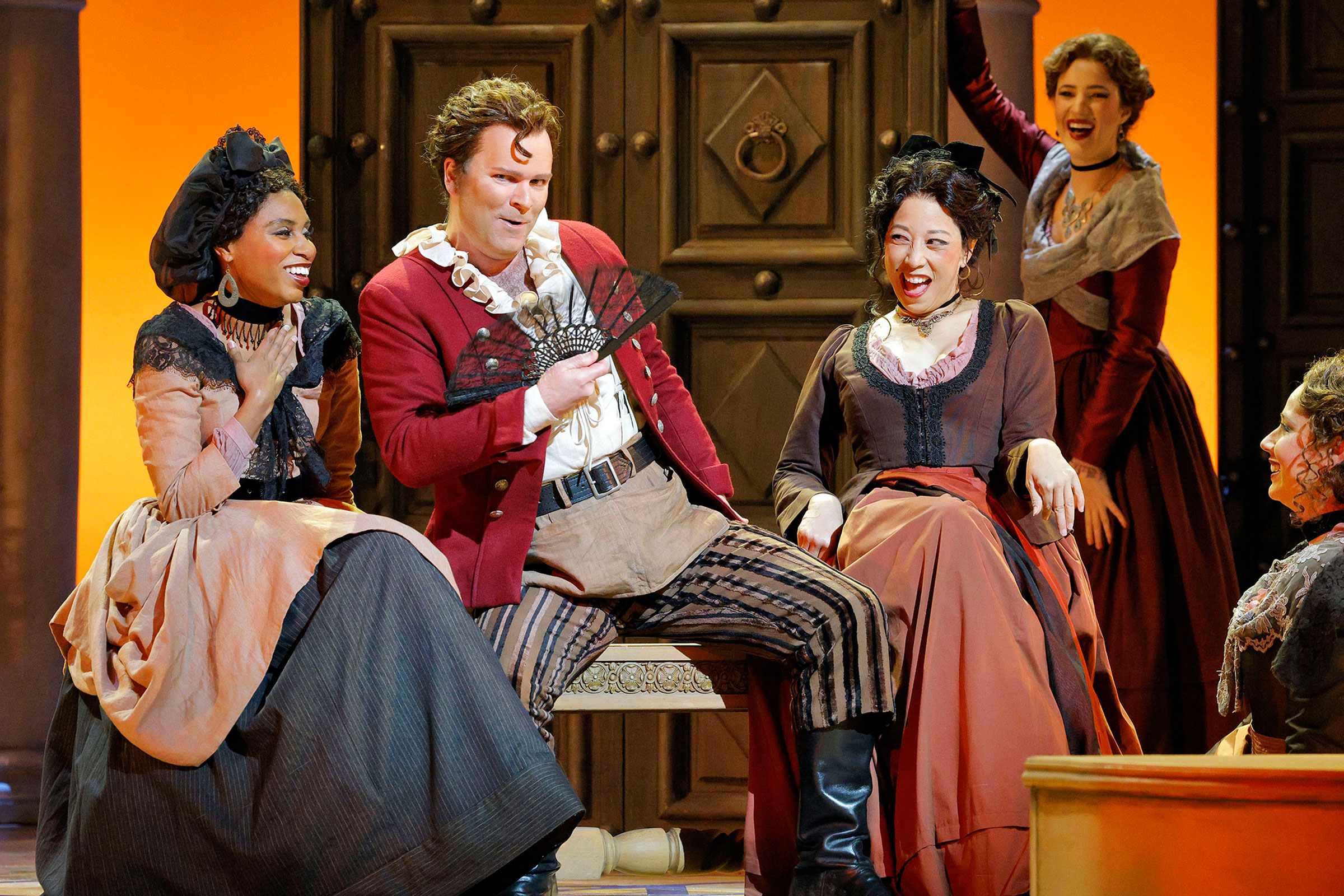
Being single on Valentine’s Day doesn’t mean opting out of celebration. Few characters embody self-assurance better than Figaro in Rossini’s The Barber of Seville.
His iconic aria is brimming with confidence and joy—not because he’s in love, but because he’s fulfilled. Figaro revels in his independence, his purpose, and his place in the world. If you’re spending Valentine’s Day solo, take a cue from Figaro: love yourself loudly and unapologetically.