


/03-cosi/_dsc0996_pr.jpg?format=auto&fit=crop&w=345&h=200&auto=format)




Blog
March 6, 2026
Philip Glass in Pop Culture
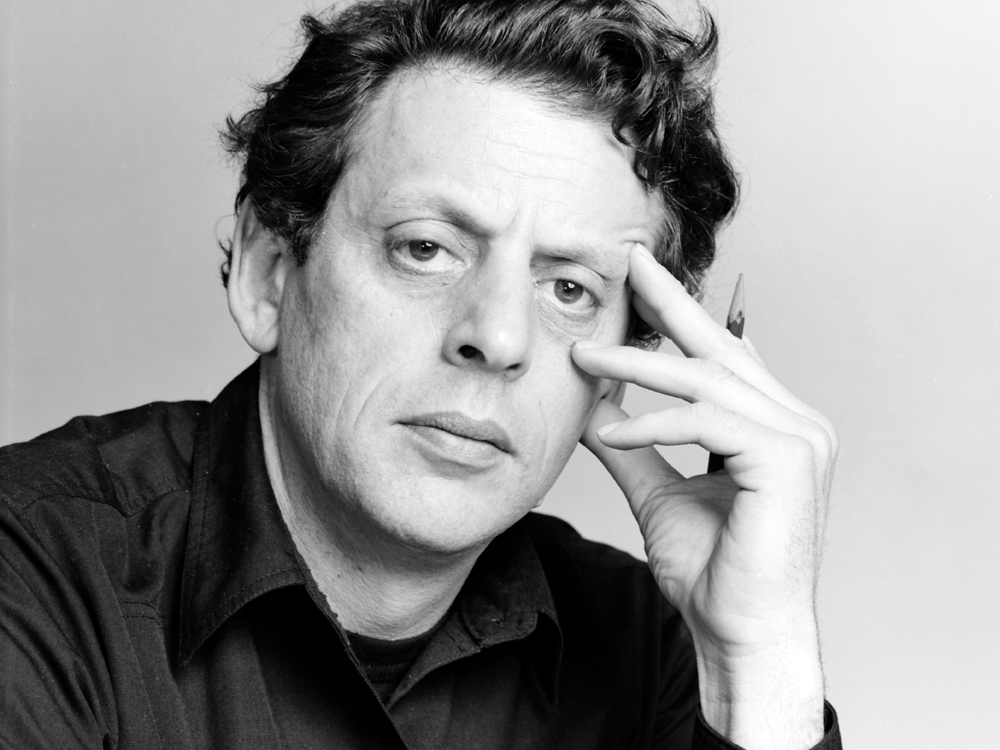
There are few composers in modern classical music whose impact on pop culture rivals that of Philip Glass. Though the classical establishment was slow to embrace him, Glass built his career by collaborating with visual artists and contemporary musicians. David Bowie, Patti Smith, David Byrne, Aphex Twin, Leonard Cohen, Blood Orange, Brian Eno, and Hans Zimmer have all cited Glass as an influence or creative partner.
In popular culture, you can hear his music throughout film and television. For decades, audiences have been fans of his unique soundscape—often without realizing it.
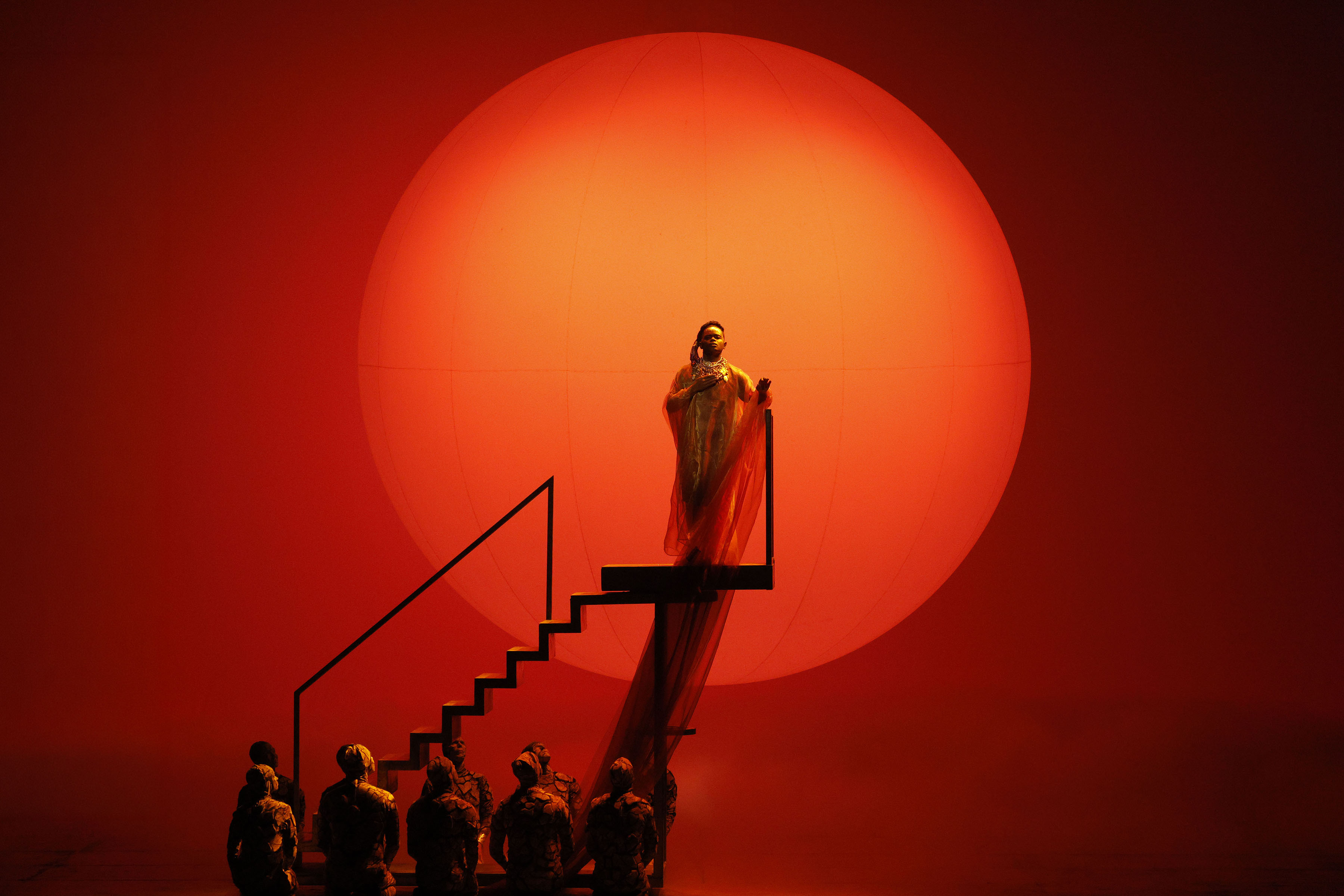
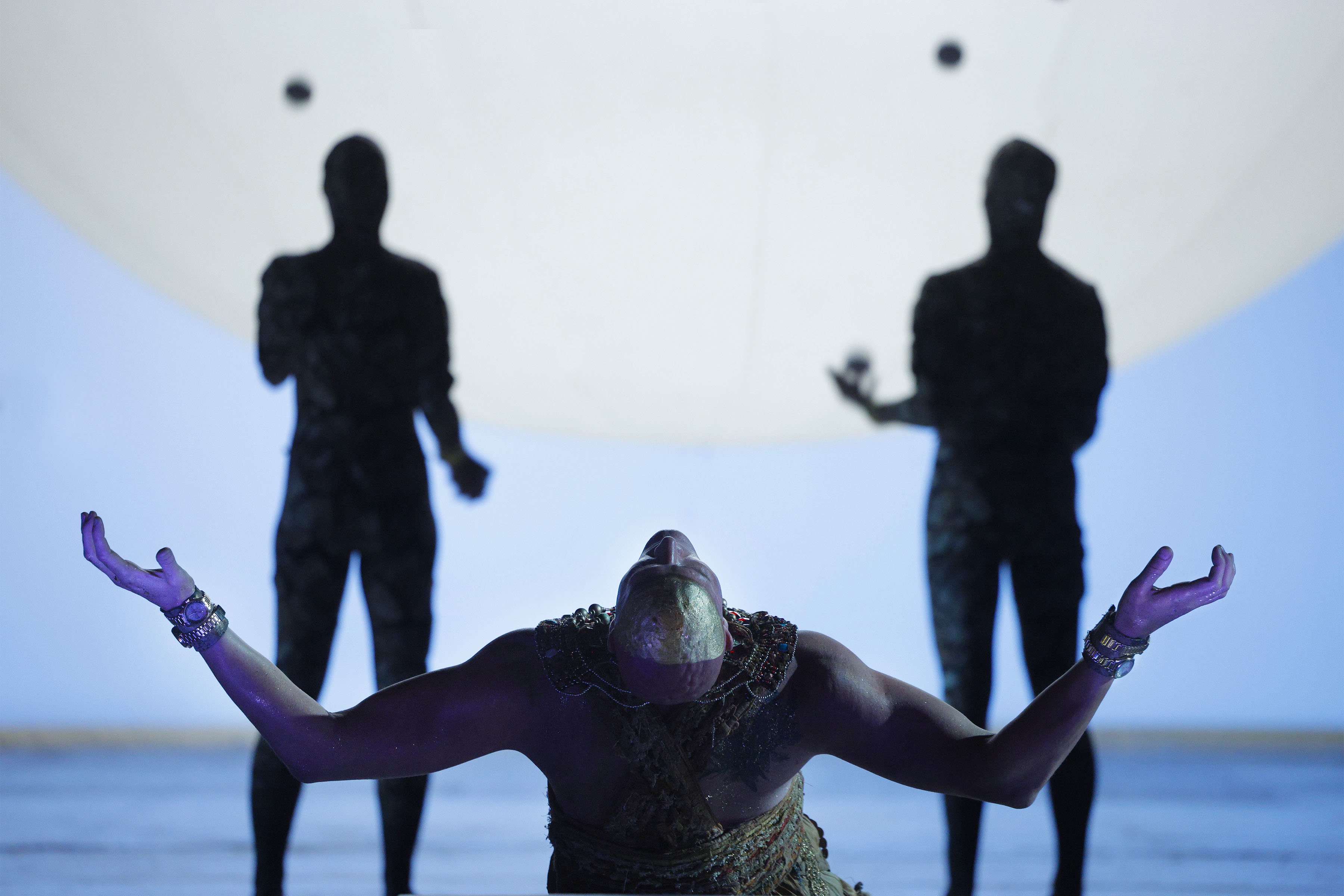
With Akhnaten currently on our stage, let’s explore some of the moments when Glass crossed into the mainstream.
Film Scores
With more than 200 credits to his name, Philip Glass boasts a film career as prolific as it is influential. His early collaborations with visual artists meant that he was scoring films even before his work appeared regularly in concert halls or opera houses.
Many listeners may have first encountered Glass through mainstream films such as Peter Weir’s 1998 drama, The Truman Show. Glass provided major contributions to the score for this beloved classic, including the song that plays as Truman goes to bed (Glass himself even makes a cameo in the scene, playing piano in the studio). The film’s climactic sequence uses the opening music from his earlier score for Mishima: A Life in Four Chapters, transforming the minimalist momentum of that piece into something deeply cathartic.
Glass racked up Oscar nominations for his scores for the films Kundun, The Hours, and Notes on a Scandal, extending his reach into the film community and giving him the most Academy Award nominations of any prolific opera composer. In Kundun, his music brings a sense of spiritual stillness to the story of the 14th Dalai Lama, echoing the same sense of ritual and reverence that runs through works like Akhnaten. In The Hours, shifting patterns and restless harmonies help bind together the lives of three women separated by time yet emotionally intertwined. And in Notes on a Scandal, his score underscores the psychological tension at the heart of the film’s unsettling teacher-student relationship.
Glass didn’t limit himself to prestige dramas. His score for the 1992 horror film Candyman took a strikingly different approach from the bombastic orchestral or synth-heavy scores common in the genre at the time and leaned into minimalist language, creating an eerie, hypnotic soundscape that contrasts sharply with the film’s violent imagery. The result has become a cult-favorite score in its own right.
Documentaries also became an important canvas for Glass. His scores for The Thin Blue Line, A Brief History of Time, and Koyaanisqatsi demonstrate how effectively his style can illuminate both real events and abstract ideas. In Koyaanisqatsi—his landmark collaboration with director Godfrey Reggio—the pulsing score and the film’s hypnotic imagery of nature and modern life became inseparable, establishing one of the most distinctive partnerships between sound and image in late-20th-century cinema.
The sheer range of these projects—from philosophical documentaries to Hollywood dramas and cult horror—reveals the flexibility of the iconic composer’s musical language. Even if he had devoted himself entirely to film, his movie scores alone would secure his reputation as one of the most prolific and influential composers of our time.
Stranger Things
Netflix’s Stranger Things has woven a whopping five Glass compositions into its supernatural world. In Season 3 (spoiler alert), “E Pluribus Unum” from Satyagraha underscores the terrifying formation of the army controlled by the series’ shadowy antagonist, the Mind Flayer. In Season 4, “Prophecies” from Koyaanisqatsi accompanies the origin story of the show’s most persistent villain, Vecna, its relentless progression mirroring the character’s psychological unraveling.
That same episode turns to Akhnaten itself. “The Window of Appearances” and “Akhnaten and Nefertiti” accompany a charged exchange between Eleven and One, a fellow test subject she initially believes to be her ally. The music heightens the scene’s uneasy blend of intimacy and dread as One attempts to persuade Eleven to join him after revealing his violent nature. For opera lovers, it’s a thrill; for newcomers, it fits seamlessly. Glass’s repeating figures and slowly shifting harmonies feel perfectly at home in a story about power, transformation, and hidden identities.
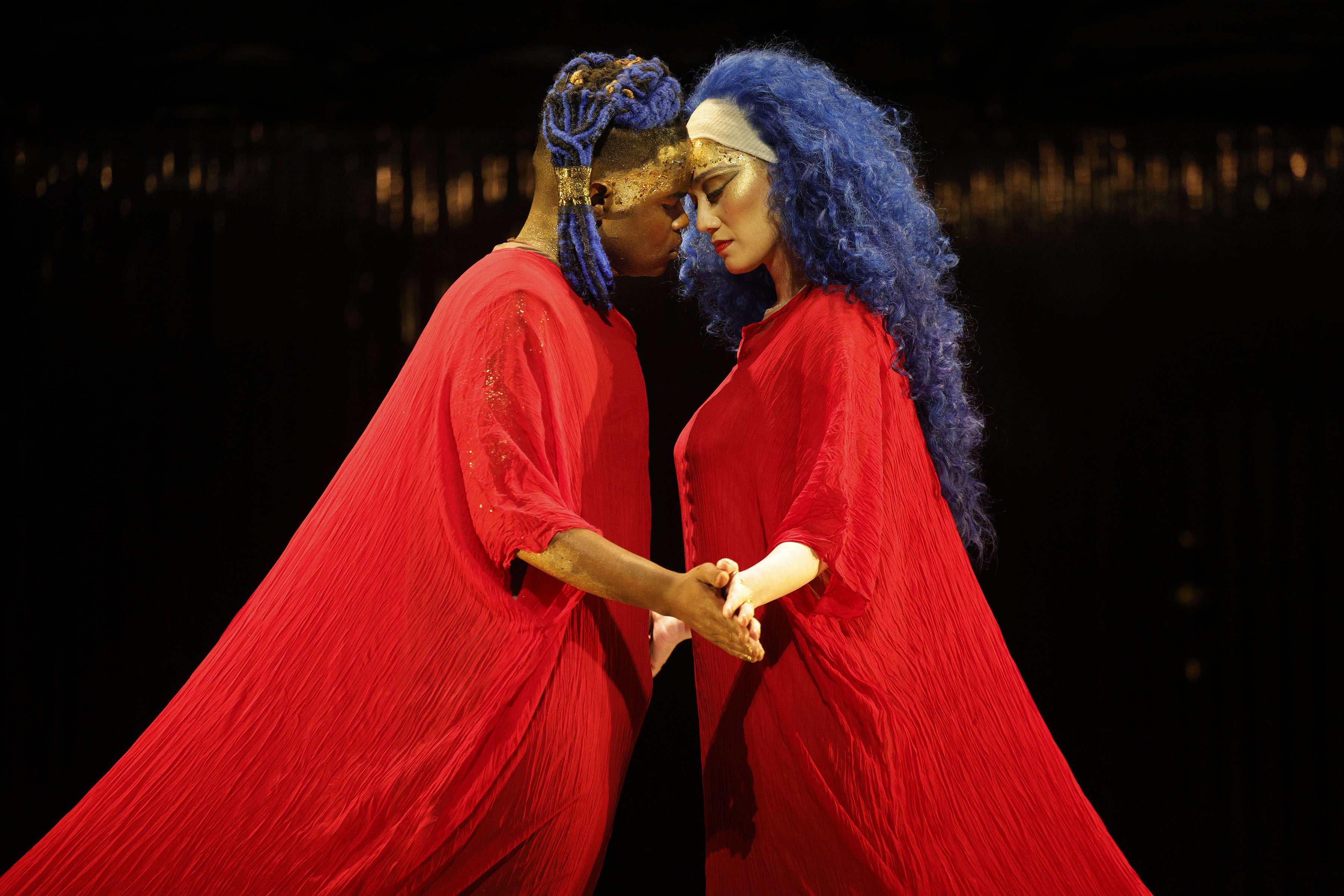
One is later revealed to be Vecna, and the music seems to foreshadow that connection. The series returns to Philip Glass again in Season 5, Episode 2, when “Someone in Your Garden” from Notes on a Scandal plays as Vecna is revealed to be haunting young Holly, posing as her imaginary friend. Across three seasons, five Glass compositions appear at key moments—proof of how effectively his music works outside the opera house.
Bob’s Burgers
That’s right: Glass is right at home even in an animated comedy. In Season 13, Episode 10 of Bob’s Burgers, the episode’s emotional climax features the closing music from Mishima. In the scene, Bob’s son Gene performs the piece at a school concert while his overly enthusiastic music teacher conducts with mounting intensity. The moment builds from awkward school-recital chaos into something unexpectedly heartfelt.
Even more delightfully, the arrangement heard in the episode was prepared and performed by Glass himself, reimagined with bright, chiming xylophones that fit Gene’s eccentric musical world perfectly.
The moment speaks to the flexibility of Glass’s writing. The same music that underscores the stylized life of the controversial novelist depicted in Mishima can just as naturally elevate an animated sitcom about a family-run burger restaurant. Bob’s Burgers centers on themes of family, support, and showing up for one another’s big moments—very different territory from the psychological portrait of a nationalist writer. Yet the same music wraps both stories in a powerful emotional release. It’s a charming reimagining, and a reminder of the surprising heart at the center of any Philip Glass score.
Experience the power of this living legend for yourself: Akhnaten is onstage through March 22, and tickets are available here.