



/03-cosi/_dsc0996_pr.jpg?format=auto&fit=crop&w=345&h=200&auto=format)





Blog
May 7, 2026
Mozart's Final Gambit: "The Magic Flute"
The Magic Flute is a deceptive opera. On the surface, it’s playful and fantastical—a world of magic instruments, comic mischief, and larger-than-life characters. But behind its charm lies a far more urgent story: one of a composer in financial distress, racing against time to secure a future that always seemed just out of reach.
By the time he began work on The Magic Flute, Wolfgang Amadeus Mozart was not the carefree genius we often imagine. His reputation was secure, his music admired—but his finances were anything but.
Mozart’s gifts had been evident from the very beginning. A true prodigy, he was composing as a child and performing across Europe under the careful guidance of his father. By 17, he held a court position in Salzburg, his talent recognized and his future seemingly assured. But stability never quite suited him. Frustrated by low wages and eager to prove himself on a larger stage, Mozart struck out on his own—a decision that would define the rest of his life.
Independence brought opportunity, but it also exposed his weaknesses. Mozart was a brilliant composer, but a poor businessman. He struggled to manage commissions, often delivering work late or reusing earlier material. Negotiating fair pay proved equally difficult, and his spending habits—particularly his fondness for luxury—rarely adjusted to his uneven income. Even at the height of his creative powers, writing masterpieces like The Marriage of Figaro and Don Giovanni, he lived with persistent and growing debt.
By the late 1780s, his financial situation had become dire. What Mozart needed was not just another successful work, but a true hit—something that could bring steady income and finally offer a way out.
That opportunity arrived through an old friend.
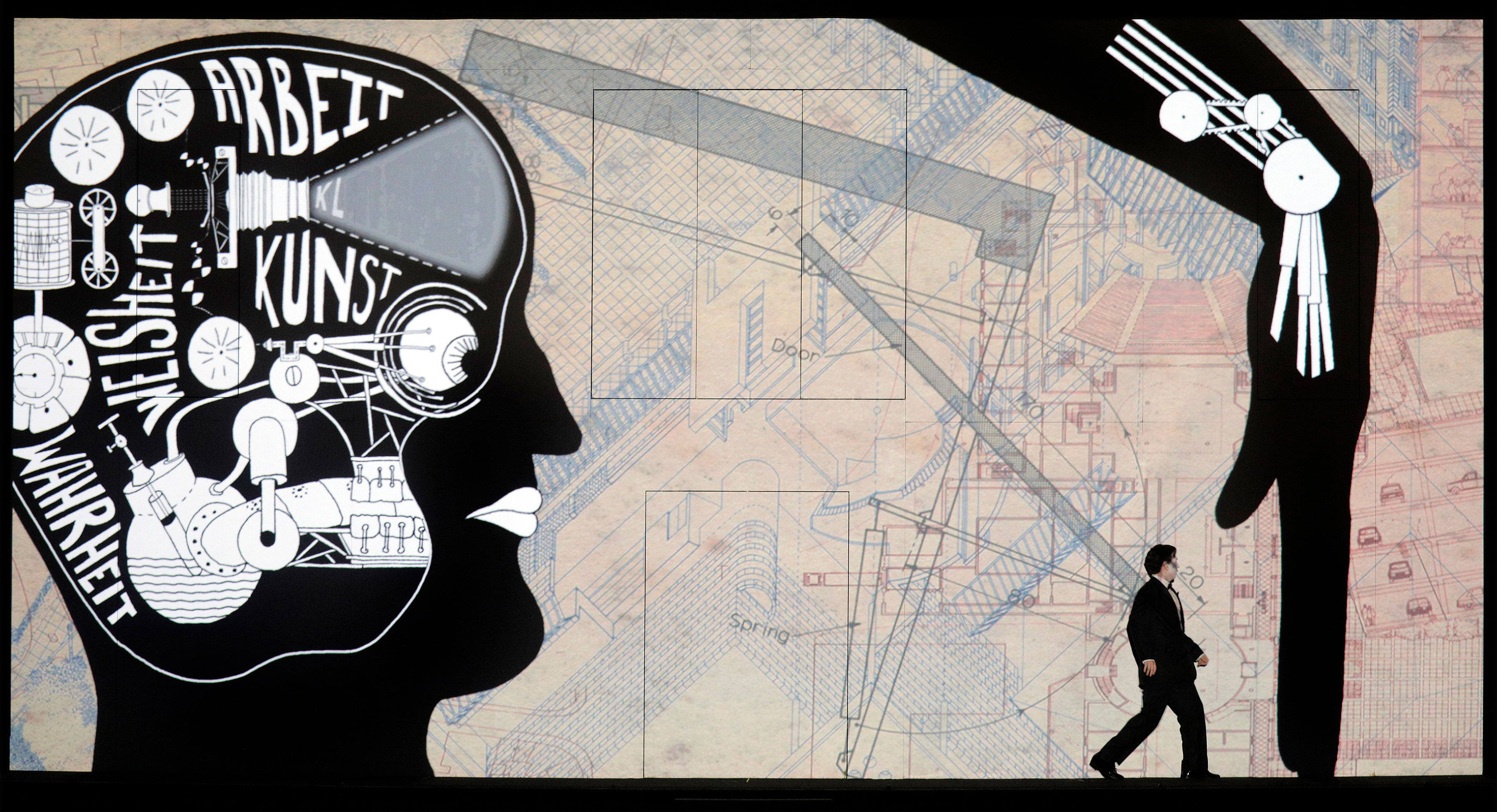
Emanuel Schikaneder was a theatrical force of nature: actor, singer, writer, impresario, and above all, a man who understood audiences. He and Mozart had known each other since the 1780s, and their shared love of theater made them natural collaborators. By 1791, Schikaneder was running a popular suburban theater in Vienna, specializing in accessible, imaginative works that drew large crowds.
He had an idea for a new kind of opera—one that blended fairy tale, spectacle, and comedy—and he knew exactly who should write the music.
The Magic Flute would be a synthesis of their talents. Schikaneder’s libretto embraced fantasy and theatricality, while Mozart responded with music of extraordinary range: playful and profound, simple and sublime. It was designed not for aristocratic courts, but for a broad public audience—exactly the kind of success Mozart needed.
And success came quickly.
Premiering on September 30, 1791, The Magic Flute was an immediate hit. Audiences flocked to the theater, drawn in by its humor, its spectacle, and its unforgettable music. Performances multiplied, and Mozart himself conducted with visible pride, inviting friends and acquaintances to witness what he knew was something special.
For perhaps the first time in years, there was reason to believe that his fortunes might finally change. A popular opera, performed regularly in a theater run by a friend, offered not just acclaim but the promise of steady income—the very thing that had eluded him for so long.
It was, in every sense, the breakthrough he needed.
But it came too late.
On December 5, 1791, barely two months after the premiere, Mozart died at the age of 35. The exact cause remains uncertain, but the timing is painfully clear: he did not live to see the full success of The Magic Flute, nor to benefit from the stability it might have brought.
In the wake of his death, Schikaneder honored his friend with a benefit performance, helping Mozart’s widow, Constanze, begin the long process of settling his debts. Through careful management—something Mozart himself had struggled with—she succeeded not only in restoring financial stability, but in preserving and promoting his legacy.
Today, The Magic Flute stands as one of Mozart’s most beloved works, a joyful and inventive opera that continues to captivate audiences. But it is also something more poignant: a reminder of what might have been.
In its music, we hear not only Mozart’s boundless imagination, but also his hope—his belief that this work, created in collaboration and with deep affection for the stage, could reach new audiences and open a new chapter in his life. It is because of that belief that we were left with one of the most beloved operas, one that has delighted audiences all over the world and remained a mainstay in the repertoire for over two centuries.
Click here to get tickets for The Magic Flute.