



/03-cosi/_dsc0996_pr.jpg?format=auto&fit=crop&w=345&h=200&auto=format)





Blog
July 14, 2026
Carmen - Saints, Sinners, and España Oculta
A Note from Director Thaddeus Strassberger
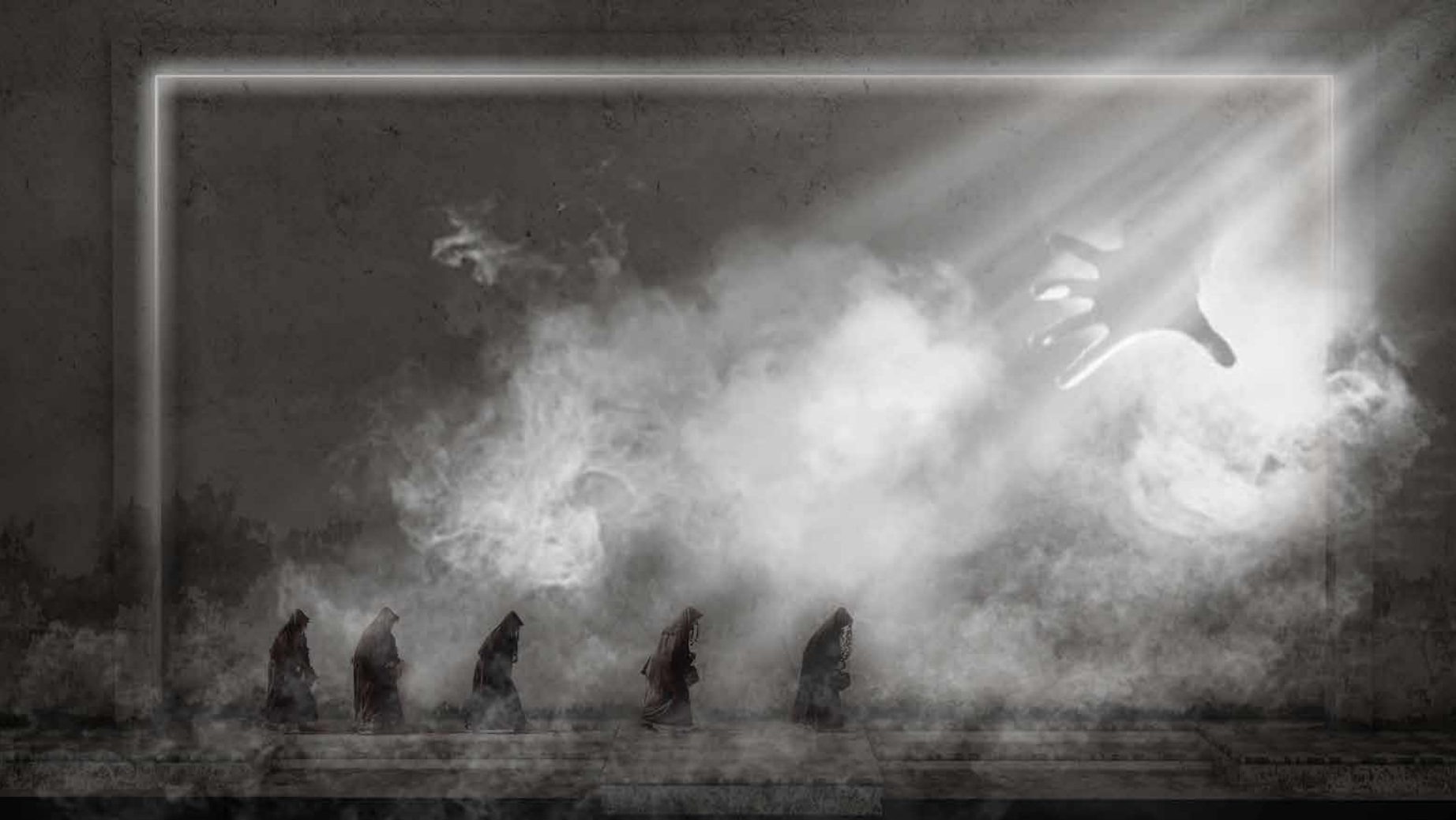
In this production of Carmen, we step into a deeper, darker terrain. Inspiration draws heavily from Cristina García Rodero’s España Oculta, a body of work that peers unflinchingly into Spain’s fierce, wounded, and beautiful hidden self. These images reveal a land in spiritual unrest, where bodies move in a primal choreography older than memory — clutching votives, rosaries and cigarettes, possessed by faith, longing, and fury. In the shadows, the presence of the great masters of Spanish art infuses the air with the sensual agony of martyrdom depicted in the artworks of Francisco de Zurbarán and Jusepe de Ribera.
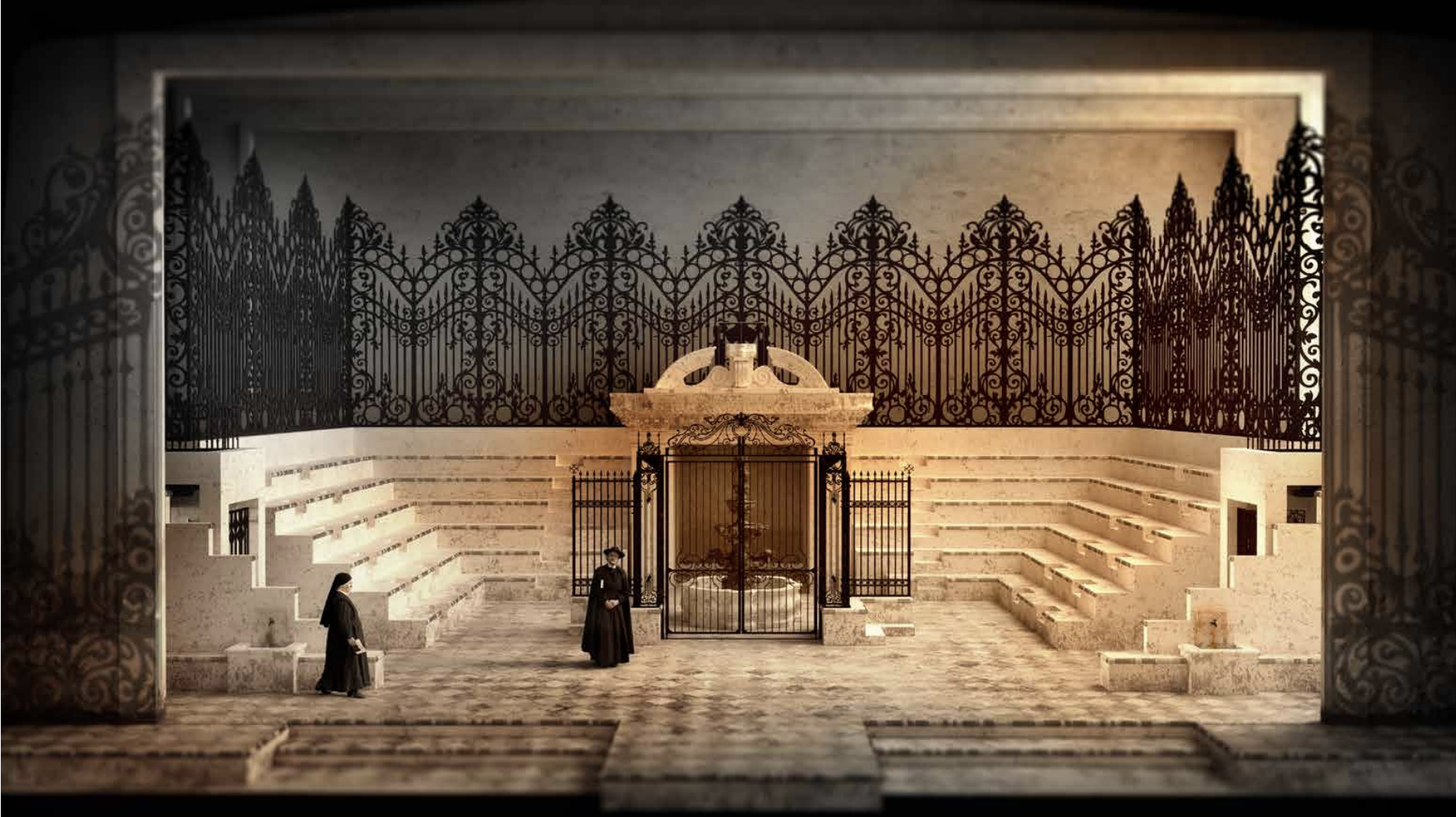
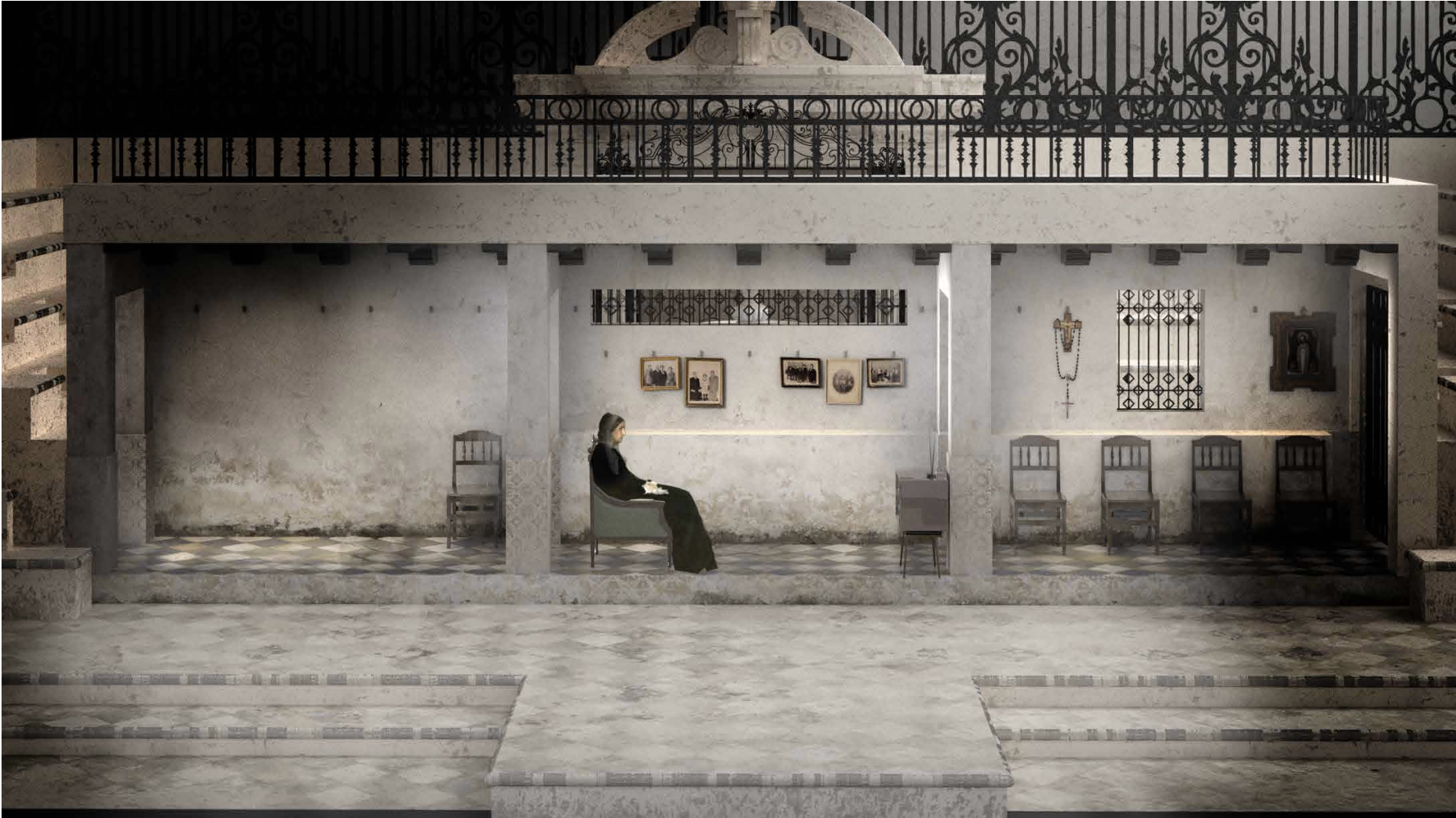
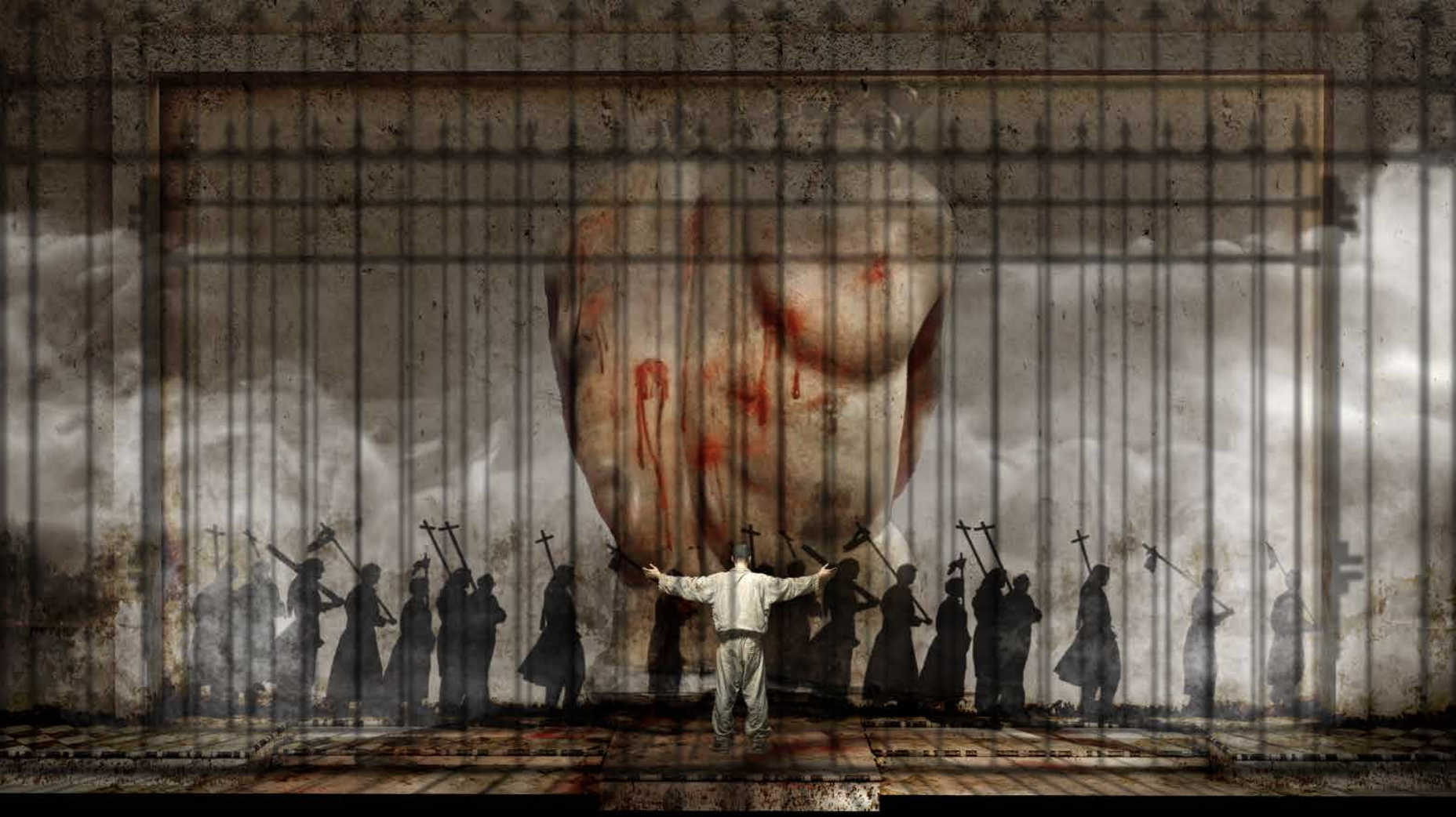
Set in a liminal past, the production’s aesthetic is not far enough removed to feel sweetly nostalgic, nor is it recognizably contemporary, which would break the spell of the darkly occult magic-realism. This Carmen is blood and dust, sparkling fountains, cracked plaster, weathered skin, bare lightbulbs, lace mantillas, the shimmer of sweat. Set in a psychological landscape of thousands of flickering candles, symbols of both devotion and entrapment, the stage is encircled by towering wrought iron Gothic gates. These gates are more than architectural elements; they are the bars of a psychological prison, evoking the crushing weight of a society bound by dogma, tradition, and fear of desire. Taken together, it’s also all strikingly beautiful.
Within this cloistered world, Carmen becomes not just a woman of passion, but a heretic. She is a woman as brazen and emotionally naked as any of the iconic filmmaker Pedro Almodóvar’s heroines, an incendiary force of instinct and freedom. Her defiance is not merely social or sexual; it is spiritual. She challenges the sanctified order, refusing to kneel to the expectations of women as silent, submissive vessels of virtue. 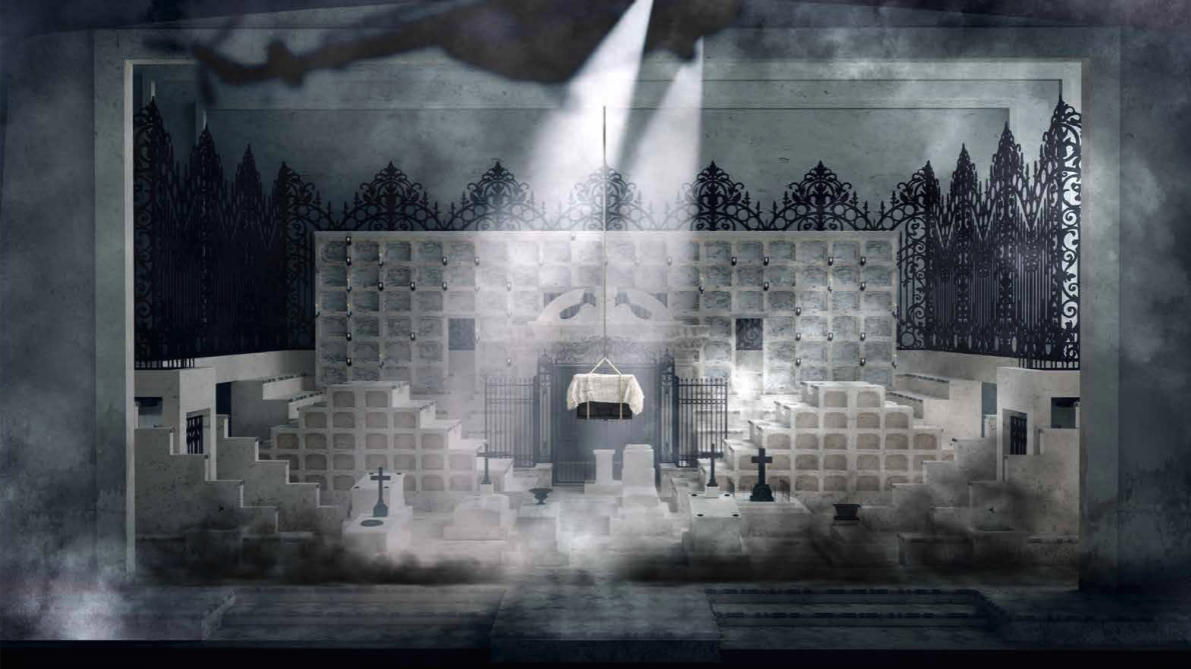
The aesthetic language walks a knife’s edge between austerity and excess: a mysterious chiaroscuro, rituals playing out in half-shadow pierced by unrelenting, scorching beams of sunlight. Yet into this subdued palette, bursts of color erupt with violent emotional intensity. As during a procession at Seville’s La Semana Santa, when vivid color and polished splendor suddenly appear, they make a visceral impact. We pay homage to Rodero’s unfiltered rawness and to Almodóvar’s lush visual code of glamour, lipstick, and richly embroidered silks. We lean into melodrama not as exaggeration, but as truth heightened, making a new visual and emotional language that is entirely our own. Crafted to grab the attention of a newcomer who has never experienced the work before but also revealing insights to those who know the opera already, this production is designed to have enduring appeal.
Carmen is a procession of the sacred and the profane, each character clinging to a belief in love, in law, in ethnic identity, in fame, only to watch it unravel. As the world burns through its own mythologies, we create new ones in the never-ending pursuit of meaning in a life that for many is solitary, nasty, brutish, and short. May this production incite not only passion, but confrontation – confrontation with the walls we build around desire, the iron gates we call tradition, and the quiet violence of institutions that claim to save us while slowly extinguishing our flame.
— Thaddeus Strassberger
To get tickets to Carmen click here.