








Blog
October 27, 2026
A Hercules vs. Vampires Primer
By Keith J. Rainville
PEPLUM-a-plenty
Let’s talk Italy’s staggeringly prolific “peplum” film genre—aka “sword and sandal” and “sword and sinew” cinema or, to borrow a phrase Peter Graves so memorably savored in Airplane!, “gladiator movies.”
The catch-all term “peplum,” derived from the name of a simple Greek-style tunic, encompasses everything from religious pictures to historical actioners, but for our purposes is more specific to down-and-dirty monster vs. muscleman late-show/drive-in fare cranked out by Italian studios. The first era of peplum saw the screen hero Maciste battle evil warlords and supernatural creatures in a string of more than two dozen hugely popular silent-era fantasies from 1914 to 1927. The brawny hero made a comeback in the 1950s during Hollywood’s biblical epic boom, but it was another hero that came to define that period—Hercules!
Italy didn’t do period-set films best, but they did do them most. Rome’s movie moguls made millions strip-mining Hollywood hits, identifying a successful film’s core ingredients and replicating them ad nauseam. The 1954 Kirk Douglas vehicle Ulysses would serve as one such model for success—find a story from mythology or folklore that you don’t have to pay royalties for and import a foreign star (preferably American) for the marquee, load up on special effects, weird creatures, damsels in distress and femmes fatales, then execute it as inexpensively as possible.
The breakout hit Hercules, starring bodybuilder Steve Reeves, premiered in Italy in 1958 and became an American sensation in 1959. It was followed by 20 or so sequels and imitators featuring a variety of oiled-up shirtless heroes—from former Tarzans like Gordon Scott to Mickey Hargitay (husband of Jayne Mansfield and father of Law & Order’s Mariska Hargitay) to Peter Lupus of Mission: Impossible fame. They played Hercules or any of his myriad “Mighty Sons,” as well as other warriors of myth and legend like Samson, Atlas, Ursus, Goliath and the previously mentioned Maciste.
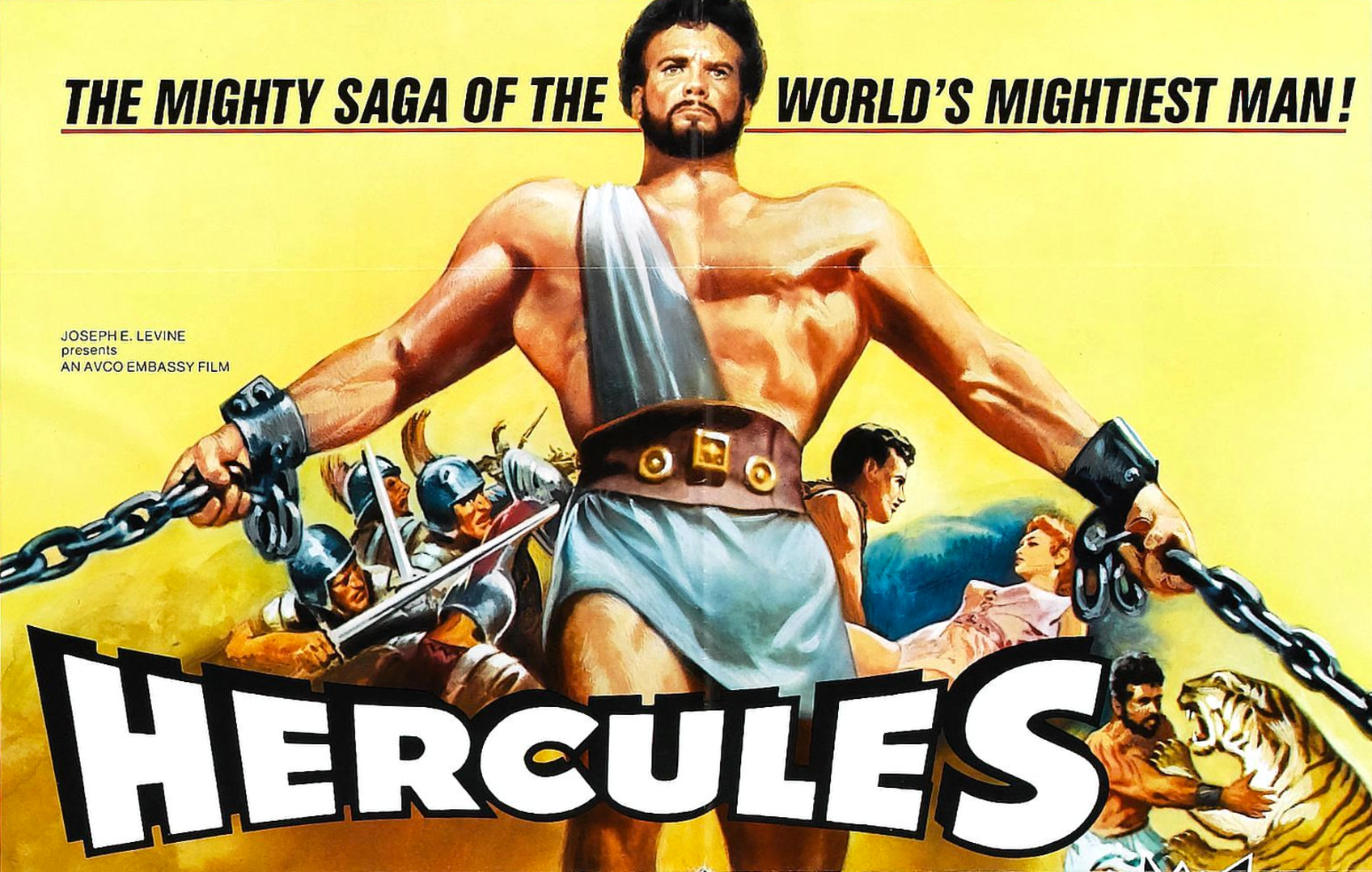
It also didn’t hurt to have a monster in the title of the movie, as evidenced by hits like Hercules vs. the Moon Men, Hercules vs. the Hydra, Goliath and the Dragon, Mole Men vs. the Son of Hercules, Colossus and the Headhunters and soooo many more, wherein the likes of Medusa and the Cyclops fell victim to hurled Styrofoam boulders and broken papier-mâché chains.
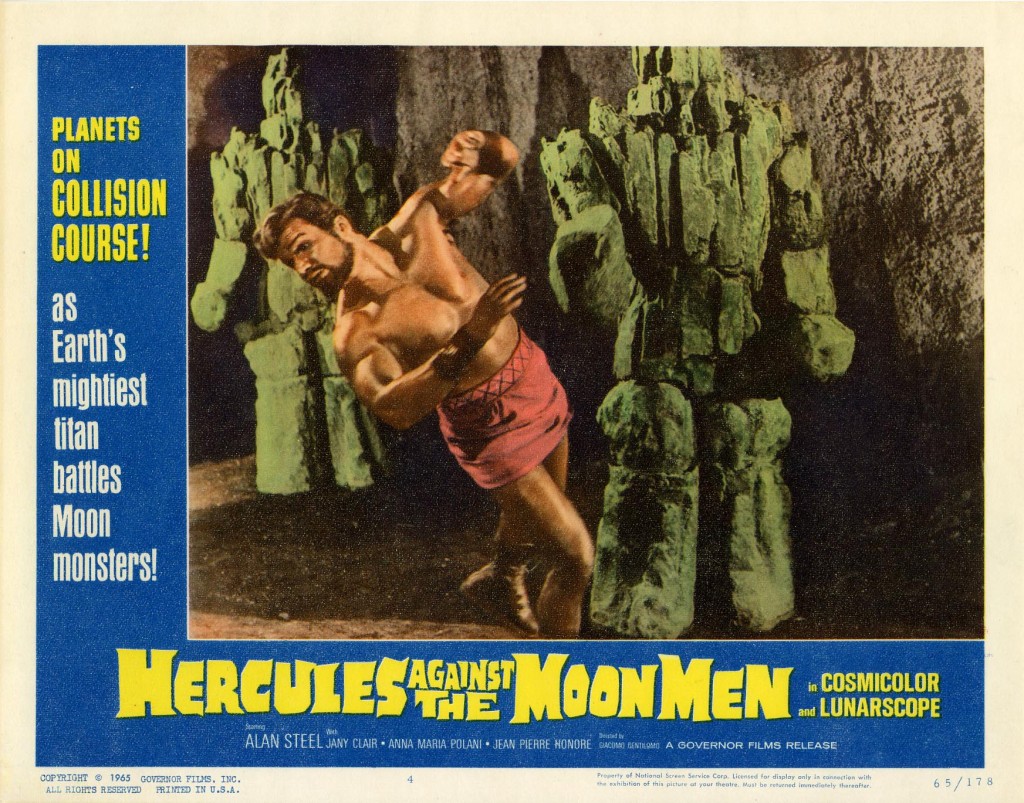
By some counts, upward of 200 films came out of this wave, nary a shirt nor pair of proper pants to be seen. But in 1964, sword and sandal cinema was nearly slain by a single man—a man with no name. Namely, Clint Eastwood. The explosive success of Sergio Leone’s A Fistful of Dollars turned Rome’s studios and producers like a school of fish, and for the next decade hundreds of “spaghetti westerns” were churned out in the same locations that a year before had been dressed as ancient Greece.
Westerns would dominate Italy’s film industry until the next big exploitation wave—Godfather-inspired gangster films, followed in the 1980s by an explosion of new genres fueled by the home video revolution. Cheap Italian knockoffs of The Road Warrior and Dawn of the Dead filled grindhouse theaters and video store shelves with positively epidemic speed, but these genres were all dwarfed by the huge output of new fantasy flicks driven by Arnold Schwarzenegger’s iconic portrayal of Conan the Barbarian and the John Boorman epic Excalibur. Films like Ator the Fighting Eagle, Conquest, Ironmaster and Yor: Hunter from the Future all used recycled props, sets and locations dusted off from the peplum craze of decades earlier, and there was even a Hercules reboot starring Lou Ferrigno, TV’s Incredible Hulk, battling Star Wars-inspired robotic monsters.
Every decade since has seen a contemporary take—be it delightful cheese like Xena: Warrior Princess or Oscar winners like Gladiator—but don’t think for a second you get flicks like 300 or Marvel’s Thor without someone on the creative team having been exposed to the likes of Steve Reeves or Reg Park. Hercules and his ilk are truly eternal.
Mario Bava
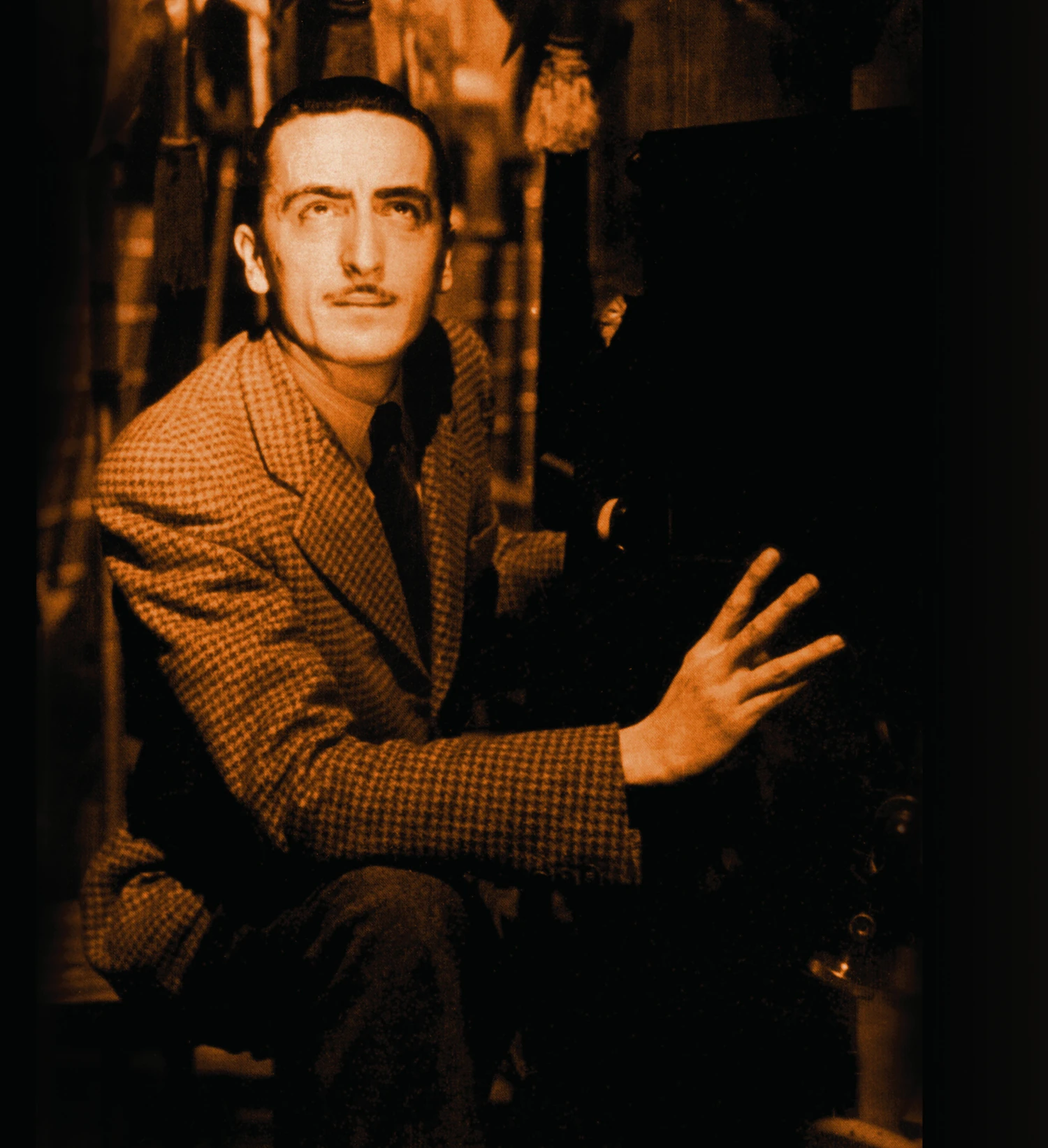
The peplum genre was the proving ground for generations of Italian filmmakers. Just as Stanley Kubrick paid his dues on Spartacus, Sergio Leone honed his craft on The Colossus of Rhodes, an otherwise routine peplum that displays several signature camera compositions later made famous in westerns like The Good, the Bad and the Ugly.
Mario Bava was no different. He was responsible for lighting, camera work and special effects on films like Hercules Unchained before going on to direct low-budget B-movie fare that would have a profound influence on future generations of filmmakers worldwide.
His gothic horror masterpiece Black Sunday (1960), starring Barbara Steele, was widely imitated for its striking use of light and shadow. But he was equally famous for “painting with light”—using colored spotlights to cast garish, psychedelic hues onto both backgrounds and the actors themselves in such classics as Black Sabbath (1963) with Boris Karloff. His 1965 space opera Planet of the Vampires is frequently cited as an influence on Ridley Scott’s Alien, and his pioneering giallo films The Girl Who Knew Too Much (1963) and Blood and Black Lace (1964) are among the genre's finest examples. The 1971 shocker A Bay of Blood (aka Twitch of the Death Nerve) helped lay the groundwork for the 1980s slasher boom (films like Friday the 13th), and his 1966 classic Kill, Baby... Kill! anticipated elements of the 1990s J-Horror explosion in Japan.
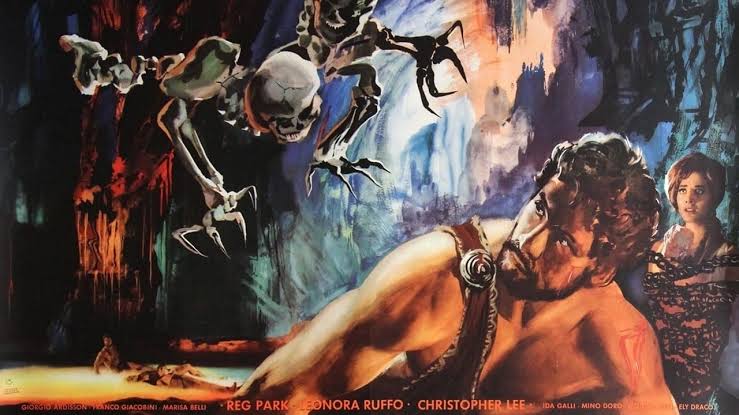
Hercules in the Haunted World (aka Hercules vs. Vampires, Hercules at the Center of the Earth and other titles depending on what country you were in) is arguably the most visually striking film of the peplum genre due to the distinct “Bava lighting” present throughout. Watch for ultra-vivid greens and purples thrown onto rocky backdrops while actors bathed in blue and orange cross into other complementary lighting hues as they move.
And then there’s multi-genre legend Christopher Lee (Hammer’s Dracula series, The Lord of the Rings, Star Wars, etc.), cast as the villainous Lico. Both this film and his subsequent collaboration with Bava, The Whip and the Body, benefited from Lee’s imposing presence but suffered from the absence of his distinctive bass voice in their English-dubbed versions. British bodybuilding champion Reg Park, the Steve Reeves stand-in du jour, made five Italian peplum films, including the recommendable Hercules and the Captive Women (as seen on Mystery Science Theater 3000), and would serve as a mentor and inspiration to Arnold Schwarzenegger, who would actually play the mythological hero himself in the comedy Hercules in New York before going on to Conan the Barbarian.
To modern audiences accustomed to digital effects, the miniatures and practical effects in Hercules vs. Vampires may occasionally elicit a chuckle. Try instead to celebrate Bava’s ambition with special effects scenes that far, far, far exceeded his meager budget. A lesser craftsman wouldn’t have dared fly so close to the sun. The final battle between Herc and the swooping zombie/vampire ghouls is remarkably well shot and edited, illustrating a brilliant filmmaker sharpening his sword for future glory. Modern audiences of revival cinema too often get caught up in the “so-bad-it’s-good” view of old movies, but as in most Saturday matinee, grindhouse, creature-feature, late-show, drive-in and schlock-cinema fare, there are flashes of brilliance at the center of these cinematic treasures of the past.
